

























































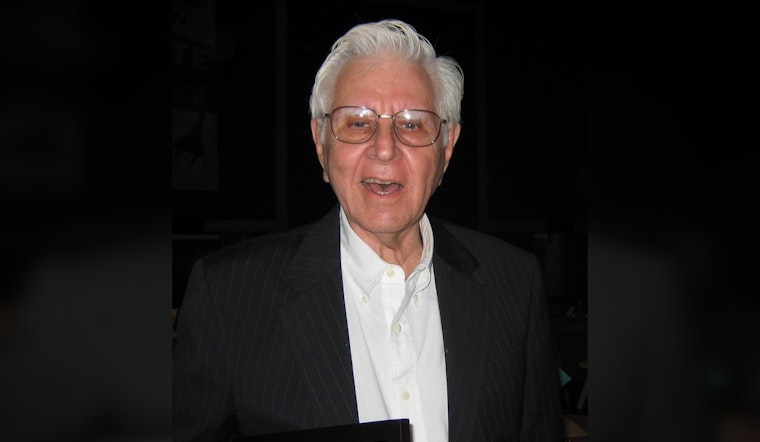
Rodolfo "Rudy" Acuña spent more than half a century arguing that Chicano history belonged at the center of American education. On Monday, the writer, activist, and scholar often credited as the godfather of Chicano studies died in Los Angeles at age 93. His books, classes, and public speeches helped turn a once‑marginal field into a widely taught academic discipline.
His death was announced by California State University, Northridge's Department of Chicana and Chicano Studies, according to the Los Angeles Times. The Times reported that Acuña died Monday of unspecified causes and is survived by his wife, Guadalupe Compean, and daughter Angela. Soon after the news broke, students and former colleagues began posting remembrances on social media.
For more than four decades, Acuña taught at what is now California State University, Northridge, where he helped establish the campus's Chicana/o Studies program, according to CSUN Today. The department grew into one of the nation's largest Chicana/o studies programs, and he was known for mentoring both students and younger faculty. Colleagues said he paired classroom rigor with street‑level activism, turning scholarship into a tool for community organizing.
A Foundational Text
His 1972 survey, "Occupied America: A History of Chicanos," became a foundational textbook for Chicano studies. The publisher lists a ninth edition, reflecting its ongoing use in classrooms across the country, per Pearson. Scholars say the book created a shared knowledge base that helped shape curricula and debates about race, class, and empire. Acuña wrote more than 20 books during his career and remained a frequent commentator on education and politics.
Legal Fight With UC Santa Barbara
In the 1990s, Acuña sued UC Santa Barbara after being denied a senior faculty post. A jury later found age discrimination and awarded him damages, a case documented at the time by the Los Angeles Times. The verdict, and the student protests it sparked, underscored his long battle over access and equity in higher education. Acuña later used proceeds from the judgment to support a foundation helping people who experienced employment discrimination in academia.
A Teacher Who Pushed Students
Acuña frequently wrote and said that scholars should act on injustice. His personal website carries the credo, "If you know something is wrong, you have a duty (not an obligation) to do something about it," and that line guided his public life, according to RudyAcuña.net. Former students and organizers described classes that mixed history, politics, and community work, and many posted tributes online. University leaders and grassroots groups say his insistence that history inform action will continue to shape classrooms and movements.
No memorial arrangements had been announced in initial reports. Those seeking updates can watch for notices from CSUN's Chicana and Chicano Studies department and family statements on university and community channels. Acuña's books and the programs he helped build are expected to remain central resources in Chicano studies for years to come.





