

























































The Choctaw Nation of Oklahoma is doing a lot more than running gaming facilities. A new economic analysis finds the tribe helped generate roughly $4.1 billion in economic activity in 2023 and supported about 27,000 jobs across the state, positioning the Nation as a financial backbone for education, health care and housing in southeastern Oklahoma, as reported by United of Oklahoma.
Report and Authorship
The latest numbers come from an economic impact study prepared for the tribe by economist Dr. Kyle Dean and unveiled at a Choctaw Nation economic-impact conference. In a broader statewide review, United for Oklahoma reported that tribal nations together contributed about $23.4 billion to Oklahoma in fiscal year 2023, with individual tribal reports, like the Choctaw analysis, presented alongside that statewide total.
Where the Dollars Flowed
According to a news release from the Choctaw Nation, the Nation’s 2023 economic footprint totaled $4,138,358,471. That activity supported 26,917 Oklahoma jobs and $1.653 billion in wages and benefits. The release states that, over time, the Nation has paid more than $422 million in gaming-exclusivity fees to the state, including $45.1 million in 2023 alone.
The Choctaw Nation also reported spending roughly $72 million beyond those exclusivity fees on educational programs. That included 12,368 college scholarships valued at $11.8 million. Housing and community investments were another major line item: $24.5 million to build 153 homes in 2023, $3.6 million in rental assistance, and 566 storm shelters installed in 2023.
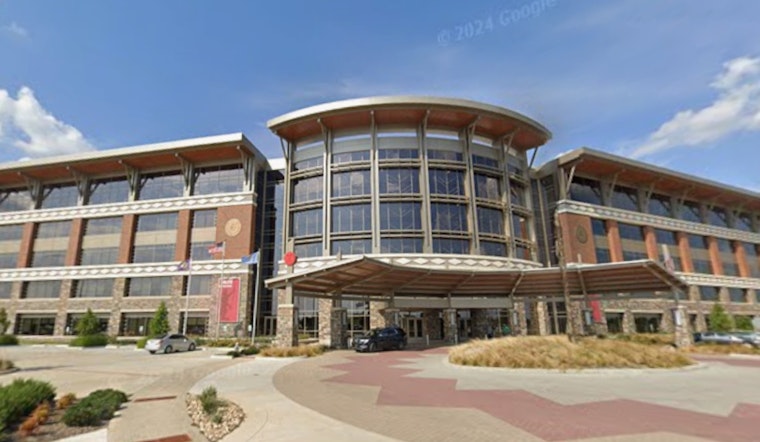
On the health front, the report highlights an expanding network of clinics and a full-service hospital that serves both tribal members and non-tribal residents, effectively functioning as a regional health system for many rural communities.
Leaders Frame the Findings
“The Choctaw Nation is proud to be a partner and neighbor to all the people of this great state,” Chief Gary Batton said in the Nation’s announcement, arguing that the figures reflect jobs created and communities strengthened rather than a narrow focus on gaming revenue.
Batton told The Journal Record that the Nation now spends roughly $300 million a year on health care and that outpatient visits have grown from about 200,000 to more than 1 million as services expanded. Local officials at the Choctaw conference noted that those investments often stand in for services that small towns could not afford to provide on their own, giving rural residents access to care and support that might otherwise be out of reach.
Why the Numbers Matter to Oklahoma
Economists and tribal leaders say the Choctaw results illustrate a broader pattern of tribes acting as anchor institutions in rural Oklahoma. The statewide United for Oklahoma study found that tribal nations supported hundreds of thousands of jobs and billions of dollars in wages across the state.
Regional coverage by KXII and other outlets has emphasized how Choctaw-funded projects, from clinics to housing, pump money into local economies. Those dollars move through small-business suppliers, classrooms, and county services, which means the tribe’s spending shows up in everything from payrolls to paved roads.
What to Watch Next
The Choctaw Nation says it plans to keep the momentum going, with more housing starts, clinic expansions and business-development programs on deck. The next test will be whether these projects translate into visible construction work, new local hiring and measurable gains in rural health and education outcomes that match the eye-popping economic totals already on the books.





