

























































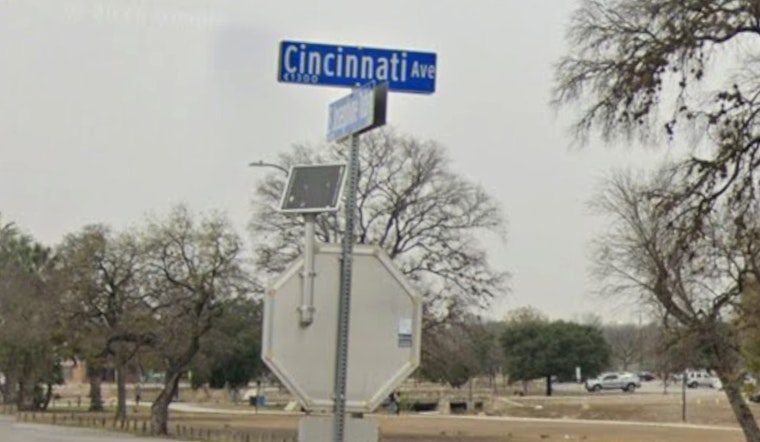
Less than four months after Edward Trejo was fatally shot on Cincinnati Avenue, a Bexar County grand jury declined to indict the neighbor who had been arrested in the case, a decision that has Trejo’s mother demanding answers and some residents wondering what exactly the jurors heard behind closed doors. Family members say they fully expected prosecutors to press forward after the arrest, and the outcome has revived frustration among neighbors who witnessed the confrontation, along with Trejo’s friends and relatives.
Grand jury decision and DA response
The grand jury voted not to return an indictment, and the district attorney’s office says it is bound to follow that call. According to News4SanAntonio, the DA wrote, "This grand jury did not find probable cause to believe an offense occurred." Prosecutors told the family that the case is not necessarily closed forever and could be refiled if new evidence comes to light.
What police say happened
Police say the deadly encounter started in December when a neighbor went over to complain about loud noise, and the dispute spilled into the street. The confrontation ended with Trejo critically wounded and later pronounced dead. As reported by KSAT, officers found Trejo with multiple gunshot wounds in the 300 block of Cincinnati Avenue and arrested a man at the scene, who was booked on murder and aggravated assault charges. Hoodline previously covered the initial incident in December in a piece on the noise spat that ended in gunfire.
Family reaction
Trejo’s mother, Andrea, says the ruling has turned the family’s life into "a nightmare" and left them feeling that key witness accounts were not fully weighed. She told reporters that relatives were stunned by the outcome, especially after being told days earlier that the district attorney would be reviewing the case. Family members say they are still holding out hope that detectives will go back to witnesses for more detailed statements and track down any video that could help clarify how the argument escalated.
What a "no bill" means
A grand jury does not decide guilt or innocence at trial. Its job is to determine whether prosecutors have shown enough evidence to establish probable cause that a crime was committed. The Handbook for Federal Grand Jurors explains that a "no bill," or "not a true bill," means the jurors were not convinced that the evidence presented cleared that relatively low hurdle. A no bill does not stop investigators from continuing to work the case or from bringing new or additional evidence to a different grand jury later.
What comes next
For now, Trejo’s family says it plans to keep pressing for clarity while the DA’s office considers whether any new leads or evidence might justify another run at charges. Prosecutors have emphasized that they empathize with the family’s loss even as they stick to the grand jury’s finding, and they have left the door open to future action if investigators uncover more support for a case. Neighbors and partygoers who say they witnessed parts of the confrontation are urging detectives to re-interview attendees and scour for any footage that could sharpen the timeline and, in their view, help bring some measure of resolution.




