

























































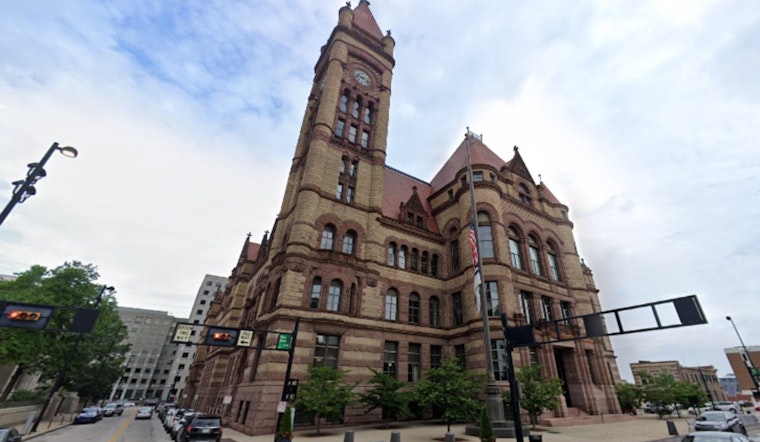
On March 26, 2026, Cincinnati City Council appointed 12 residents to what city leaders and advocates say is the first LGBTQIA+ advisory commission in Ohio. The volunteer panel will advise council and city administrators on policies and services affecting LGBTQIA+ residents. The group plans to meet in April to set its first agenda.
The newly appointed lineup includes former councilmember Reggie Harris and organizer Storm Boyd, along with Carson Hartlage, Jeniece Jones, Joshua Petty Kayes, Sarah Pickle, Jeremy Jay Phillippi, Karen Morgan, Delia Sosa, Jeremy Tyler, Jonah Yokoyama and Nicha Zingarelli. Members will serve without pay and will weigh in on measures that could affect Cincinnati’s LGBTQIA+ community, according to CityBeat.
Council first approved creation of the commission in a unanimous vote on March 5, 2025, after residents and students urged the city to establish a formal advisory body. The measure was billed as a way to track hate incidents, protect safe spaces and give community groups a regular channel into city policy. Spectrum News 1 reported on the vote and the city’s rationale.
Community priorities and first agenda
Storm Boyd, who pushed for the commission alongside Vice Mayor Jan-Michele Lemon Kearney, said one top priority is preserving safe social spaces for LGBTQIA+ people as several local venues have closed. “Given the political climate in Ohio, having an official seat at the table is significant and will help the community feel safer,” Boyd told CityBeat. The commission will begin meeting in April to draft priorities and a public-facing workplan.
Why city leaders say it matters
Vice Mayor Jan-Michele Lemon Kearney told council that “Hate crimes against the LGBTQIA community in Ohio increased 189% between 2022 and 2023,” as reported by Spectrum News 1. Local activists say Cincinnati’s move has helped spur similar initiatives elsewhere in Ohio, and The Buckeye Flame covered the council’s original effort last year.
Supporters say the commission gives queer Cincinnatians a structured way to influence city policy, from nightlife and youth services to public safety and health. Critics have not coalesced publicly around a single complaint, and councilmembers framed the appointments as a step toward more inclusive policymaking. As the commission begins its work, residents and advocates will be watching to see whether it translates into concrete policy changes.





