

























































New York City has quietly thrown open a major legal door for survivors of gender‑motivated violence. On January 29, 2026, the City Council overrode a veto from Mayor Eric Adams and enacted a local law that reopens an 18‑month window for civil lawsuits tied to incidents that took place before January 9, 2022. The law revives certain claims that were previously time‑barred and gives survivors who were told they were out of time a new opportunity to sue alleged abusers, as well as institutions that may have enabled the abuse.
In a press release, the Council described Intro. 1297‑A, sponsored by Council Member Selvena N. Brooks‑Powers, as legislation that “creates a civil cause of action for crimes of violence motivated by gender that occurred prior to January 9, 2022” and clarifies that entities can be named as defendants, not just individual perpetrators. New York City Council officials also noted that the bill was part of a broader package of veto overrides passed on January 29, 2026.
The official bill text states that the law “takes effect immediately” and that any claim under the new section must be filed within 18 months of that effective date. Since the override vote and enactment occurred on January 29, 2026, that puts the deadline at July 29, 2027. The same provision lets plaintiffs who filed cases between March 1, 2023, and March 1, 2025, amend or refile to add claims under the new section. Legistar lists the full statutory language and confirms the timeline.
For survivors like Carmine Megaro, the change is more than a technical fix, it could mean a second shot at justice. Megaro told News 12 | Brooklyn that he was assaulted at 19. News 12 | Brooklyn reported that the Diocese of Brooklyn found his allegations against Father Philip Pizzo credible, yet prosecutors informed him that the civil statute of limitations had already run when he tried to sue. Attorneys say the new law removes that procedural barrier for many people whose cases were dismissed or never filed at all.
Who Can Sue And What They Can Seek
The statute authorizes a private cause of action against “any party who commits, directs, enables, participates in, or conspires in the commission” of a gender‑motivated violent crime. It explicitly allows plaintiffs to seek compensatory and punitive damages, injunctive relief, and attorneys’ fees. That wide framing makes it possible to bring in institutions as defendants, including government agencies, private contractors, and religious organizations. The available remedies and definitions are spelled out in Legistar.
Mayor's Veto And The Budget Fight
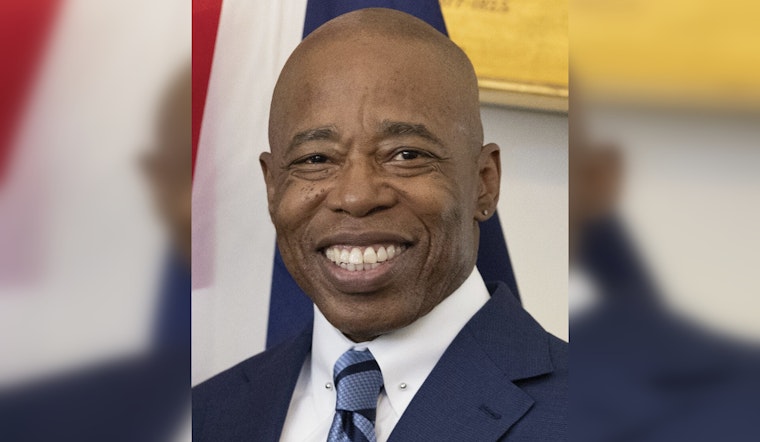
Mayor Eric Adams rejected the bill on December 24, 2025, arguing in a veto message that the law could hammer the city’s finances. According to the veto document, the city’s budget office warned that potential fiscal exposure could “potentially reach near $1,000,000,000,” and that contingency fees might total about $300 million for a single law firm. New York City Council posted the full veto message laying out those concerns. Despite that warning, council members voted on January 29 to override the mayor and put the law into effect immediately.
What Survivors And Advocates Are Saying
Survivors and advocacy organizations greeted the override as a crucial restoration of legal options that had slipped away. Reporting by amNY quotes survivors and attorneys who say the measure revives “civil pathways for people harmed by gender‑motivated violence” and grants victims a renewed chance to argue their cases in court. Lawyers who worked on prior lookback cases told the outlet that some plaintiffs whose complaints were tossed on timing grounds will now have an opportunity to amend and continue those lawsuits.
Legal Limits And Next Steps
The new measure applies to civil remedies only, not criminal prosecutions. Legal experts caution that criminal cases remain off the table because of constitutional protections against retroactive punishment. Assemblymember Linda Rosenthal and others have stressed that only civil suits can be revived under these kinds of lookback laws, as News 12 | Brooklyn reported. Survivors who believe they might qualify under the law are encouraged to speak with an attorney and reach out to city resources, including the Mayor’s Office to End Domestic and Gender‑Based Violence, for referrals and support.
The Mayor’s Office to End Domestic and Gender‑Based Violence lists resources such as the NYC HOPE directory, Family Justice Centers, and a 24‑hour hotline for anyone seeking help, safety planning, or legal referrals. NYC.gov maintains current information on available services and how to get in touch immediately.





.jpg)