

























































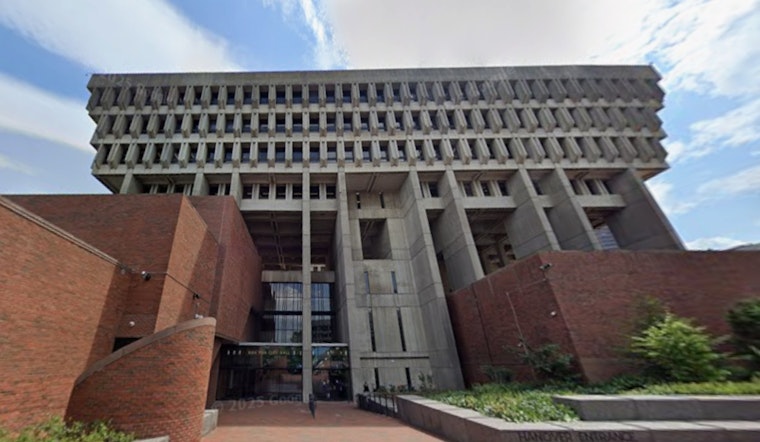
On Thursday, March 12, Councilor Gabriela Coletta Zapata convened a tense City Council hearing in the Iannella Chamber to scrutinize Boston’s response to drink spiking and drug-facilitated sexual assault. Survivors described lingering physical and emotional fallout, while city and police officials walked through prevention efforts, reporting changes and outreach tools. The Public Safety and Criminal Justice Committee kept the matter on its docket for follow-up hearings and more testimony, according to Boston.gov.
As reported by Boston 25 News, Zapata told the panel Boston logged dozens of suspected drink-spiking reports in recent years: 116 in 2022, 107 in 2023 and 71 in 2024. Witnesses said the true scope is likely bigger, since many incidents go unreported and substances metabolize quickly. Survivors at City Hall described waking hours later with gaps in their memory and long-term anxiety. One told the council, “I wish that kind stranger had ignored what I said and called 911 anyway.” Police leaders at the hearing urged anyone who suspects they were drugged to report it immediately and seek medical care.
The city’s Office of Nightlife Economy is trying to meet the problem where it happens, in bars and clubs. Officials say the office has distributed more than 33,000 drink-spiking prevention covers to nightlife venues as part of recent outreach efforts. According to Boston.gov, the covers are one of several tools the city is using, along with training and licensing outreach, to cut the risk of drink tampering in nightlife settings. City staff told the committee these supplies are paired with trainings for licensees and public-awareness work timed around major nightlife weekends.
Coletta Zapata also told the committee she had secured a pledge from the Massachusetts Restaurant Association to roll out server training focused on spotting and responding to suspected spiking, per local coverage by Charlestown Bridge. The Boston Police Department noted it has been working for several years to integrate training, tracking and public-awareness campaigns on spiked drinks, and its community alerts urge victims to report incidents and seek immediate care. Council staff emphasized that faster, standardized testing and a clearer reporting chain could make investigations more effective.
What the state bill would do
Senate Bill S.1537 - sponsored by Sen. Paul Feeney - would create a state task force under the Department of Public Health, push hospitals to offer evidence-based testing on request, require prominent venue signage and encourage the availability of drug-testing devices at licensed establishments, according to the bill text. The proposal also tasks DPH and the Alcoholic Beverages Control Commission with running a public-awareness campaign and sets guidance on cost-sharing and standardized care for suspected victims, per the Massachusetts Legislature. Supporters at the hearing said consistent hospital protocols and accessible testing would help survivors secure documented evidence and improve law-enforcement follow-up.
Legal implications
Advocates argue that standard testing and clearer protocols could close gaps that now leave many cases unverifiable, but reporting has flagged practical hurdles, including questions about the reliability and distribution of test kits and how to fund a statewide rollout. Coverage in the NewBedford Guide documents past concerns that earmarked funds and pilot programs for test strips were delayed or withdrawn while officials examined accuracy and logistics. The bill also contains language that would allow venues to offer test devices without assuming liability for defective results, a provision proponents say could make businesses more willing to participate.
The committee requested more documentation and invited additional stakeholders back to City Hall as the legislative session moves forward. The City Clerk’s docket notice for Docket #0167 includes staff contact information for members of the public who want to submit testimony or follow the record. The hearing record will remain with the Public Safety and Criminal Justice Committee while councilors track state and city actions tied to training, testing access and nightlife enforcement, per the City Clerk’s posted notice. For details on submitting testimony or watching the hearing video, the City Clerk’s hearing notice lists committee staff contacts and the council’s live-stream options.
Throughout the hearing, officials repeated the same practical guidance: keep an eye on your drink, accept beverages only from a server you trust and get help if you feel suddenly ill. The Boston Police Department has published safety guidance and a community alert with reporting instructions and tips for patrons, available on the department’s website. With the committee holding onto the docket and a state bill pending, the city’s next steps will test whether training, tools and standardized testing can narrow the window that now limits evidence collection and prosecutions.





