

























































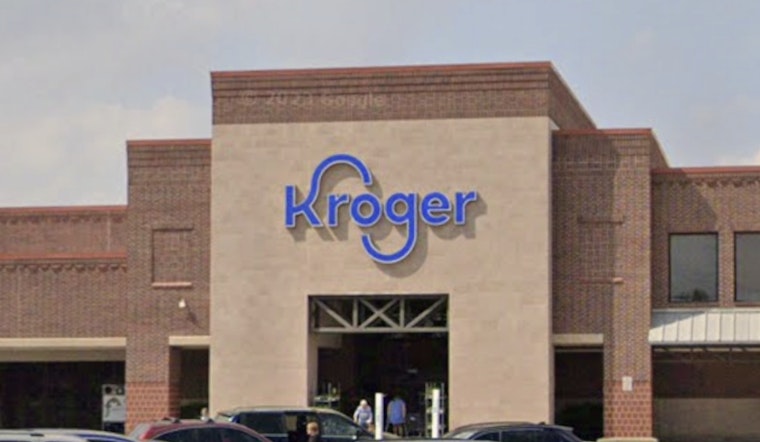
The U.S. Equal Employment Opportunity Commission has taken a Houston-area Kroger to federal court after managers at the Clear Lake store allegedly took away a long‑approved mobility aid from a worker and later fired her. According to the complaint filed Monday, the self‑service checkout attendant, who has neuropathy, had used a walker as a reasonable accommodation for about three years.
What the EEOC alleges
In its lawsuit, the EEOC says Kroger Texas L.P. – Houston Division, which operates store #300 in the Clear Lake/NASA area, revoked the worker’s existing accommodation without discussing other options and instead told her to seek leave. The agency says it filed suit (U.S. EEOC v. Kroger Texas L.P. – Houston Division, Civil Action No. 4:26-cv-02448) in the U.S. District Court for the Southern District of Texas after first trying to resolve the dispute through pre‑litigation conciliation. The complaint alleges the employee was ultimately terminated when she could not provide medical documentation to support a need for leave.
Official statements from the agency
“An employer, in consultation with an employee facing a disability, must consider whether an accommodation is reasonable,” EEOC Senior Trial Attorney Claudia Molina said in the agency’s press release. The release goes on to note that “revoking a previously granted reasonable accommodation can violate the ADA.” Rayford Irvin, director of the EEOC’s Houston District Office, added that “disability discrimination in the workplace, which includes failure to accommodate and discharge because of disability, will not be tolerated by the EEOC.”
Kroger response and local reporting
As reported by FOX 26 Houston, the station reached out to Kroger for comment and said the company had not yet responded. That local coverage tracks with the EEOC’s account and notes that the agency is seeking back pay, reinstatement or front pay, and other damages.
Why this matters under the ADA
Federal law generally requires employers to provide reasonable accommodations and to engage in an interactive process with employees who request them, unless doing so would cause undue hardship, according to ADA.gov. Disputes like this often come down to whether the employer seriously consulted the employee, explored alternative accommodations and documented any claimed undue hardship before changing or removing an existing accommodation.
In its lawsuit, the agency is seeking back pay and either reinstatement or front pay, along with compensatory and punitive damages, plus a permanent injunction that would require Kroger to strengthen its accommodation policies. The case will proceed in federal court in Houston unless the parties reach a settlement during the litigation process.



