

























































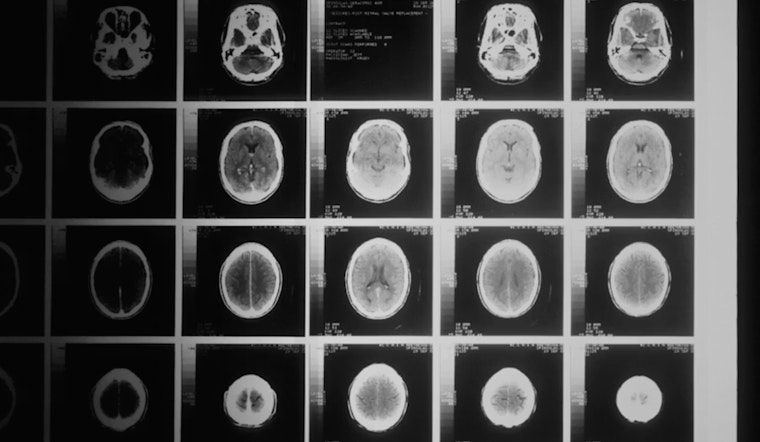
Cleveland scientists say they may have found a way to keep the brain sharp even after punishing rounds of whole-brain radiation, at least in mice. Researchers at University Hospitals and Case Western Reserve report that an experimental neuroprotective compound, P7C3‑A20, blocked long-term memory loss and depression-like behavior in mice that received whole-brain radiotherapy.
With daily dosing, the drug appeared to preserve the hippocampus, the brain’s memory hub, from chronic oxidative damage and kept treated animals performing normally on memory tests for what would translate to many human years. The work hints at a future in which patients could be shielded from some of the cognitive and mood side effects of whole-brain radiation, although P7C3‑A20 remains experimental and has not been tested in people.
Study and publication
The research appears in Redox Biology, where lead author Edwin Vázquez‑Rosa and colleagues describe how P7C3‑A20 reduced oxidative stress, prevented the loss of neural precursor cells, tamped down neuroinflammation and blocked blood-brain-barrier breakdown after whole-brain radiotherapy in mice.
The investigators come from University Hospitals, Case Western Reserve and the Louis Stokes Cleveland VA Medical Center, according to Case Western Reserve University. Taken together, the lab results suggest the compound helps keep vulnerable brain regions structurally and functionally intact in the face of radiation that would usually cause lasting damage.
How the drug works
According to a University Hospitals news release, P7C3‑A20 stabilizes nicotinamide adenine dinucleotide (NAD+) homeostasis, which supports the cellular energy balance that neurons and their supporting cells need to survive radiation-induced oxidative damage. By keeping that system steady, the compound appears to help brain cells ride out the stress that typically follows whole-brain radiotherapy.
“The results of our study were very encouraging,” senior author Andrew Pieper said in the university statement. Just as important for cancer care, the team reports that P7C3‑A20 did not blunt the radiation’s ability to kill tumor cells, a key requirement for any protective drug that might one day be used alongside aggressive brain treatments.
Why this matters for patients
Whole-brain radiotherapy is still a mainstay treatment for cancers that have spread to the brain, especially when there are many tumors that cannot be targeted one by one. The approach can extend life, but it is also known to cause persistent problems with memory, thinking and mood that can significantly lower quality of life, the National Cancer Institute notes.
Existing protective strategies, including hippocampal-sparing radiation techniques and the drug memantine, help some patients but leave others struggling with long-term side effects. A targeted neuroprotective agent that could be given along with radiation would add another tool to that limited toolkit for people facing widespread brain disease.
Next steps and commercial ties
Researchers say their next projects will test P7C3‑A20 with different radiation schedules and doses, and will try to pinpoint the shortest effective treatment window after whole-brain radiotherapy, per the University Hospitals release. The goal is to find a regimen that is realistic in a clinical setting while still delivering meaningful brain protection.
The paper and related materials also disclose that two study authors hold patents on P7C3 compounds and that Dr. Pieper is a co-founder of Glengary Brain Health, a startup formed to develop the technology. Those details underscore the potential commercial path if the drug eventually proves safe and effective in people.
Legal and commercial considerations
The patent holdings and startup connections are flagged in the journal article and in press materials so that future human trials can be run with clear and transparent oversight of any conflicts of interest, experts say. The research team stresses that independent replication and carefully designed clinical trials are essential next steps before P7C3‑A20 could be considered for patient use.
Cleveland media outlets have already taken notice. Cleveland.com summarized the local work on March 6, and investigators continue to emphasize that the mouse data are promising but preliminary while safety and efficacy are evaluated in people.




