

























































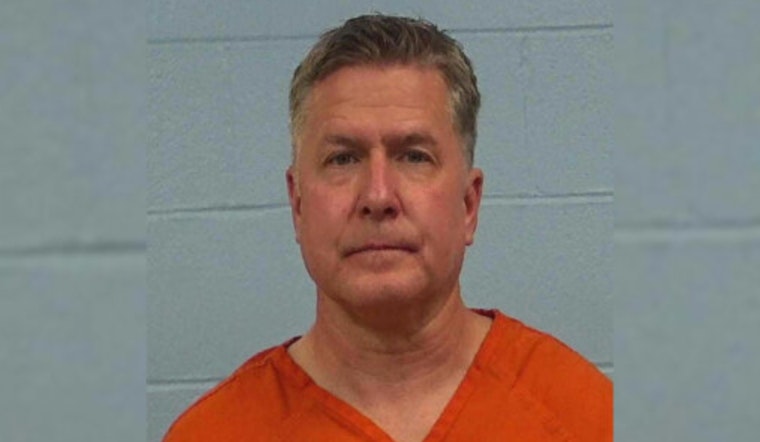
A brewing legal fight over jailhouse phone calls has jumped to center stage in the murder case against former Cleveland attorney Gregory Moore, after his defense team asked a Cuyahoga County judge on Thursday to block and destroy recordings they say capture privileged conversations with his lawyer. The motion urges the court to scrub at least three recorded calls Moore made from a Texas jail after his arrest, arguing that letting prosecutors hear them would violate his right to counsel and due process. Moore, who has pleaded not guilty, appeared for a pretrial hearing before Cuyahoga County Common Pleas Judge Kira Krivosh. His trial is scheduled to begin Sept. 14, 2026.
In the latest court filing, Moore’s attorneys say each of the disputed calls was labeled as attorney-client communication at the outset, and that the jail phone system was his only realistic way to speak with counsel from more than 1,000 miles away. The defense is asking Judge Krivosh not only to block any access for prosecutors, but also to order that the recordings be destroyed, warning that government review of the calls could taint Moore’s right to a fair trial. Prosecutors have pushed back in their own brief and are urging the court to deny the request, according to WKYC.
Calls And Court Timeline
Audio from Moore’s jail calls has already surfaced in local coverage. The FOX 8 I-Team obtained and aired recordings last year that featured several of his conversations from behind bars. WJW/FOX 8 reported that most of those calls were with family and friends, while the defense has maintained that attorney-designated lines were supposed to be off-limits for case discussions.
Moore was indicted and arrested in May 2025 and is facing a lengthy charge sheet that includes aggravated murder, six counts of murder, two counts of kidnapping and a conspiracy count, per WOIO/Cleveland 19.
What This Could Mean In Court
The fight now is over whether those disputed conversations qualify as truly privileged, and whether Moore or his lawyers effectively gave up that protection by using monitored jail phones. The defense argues that letting prosecutors access the recordings would violate Moore’s Sixth Amendment rights and says dismissal of the case could be on the table if the court finds constitutional prejudice. Prosecutors counter that the calls are fair game and should be treated as admissible evidence, according to WKYC.
When judges referee these kinds of disputes, they typically look at whether the inmate had any reasonable expectation of privacy on the call system and whether any waiver of confidentiality was knowing and intentional. Depending on what they find, remedies can range from redacting or limiting use of the audio to outright suppression, and in rare cases, dismissal.
Next Steps
Judge Krivosh is expected to rule on the dueling briefs in the coming weeks as Moore’s defense team keeps grinding through pretrial prep. The defense recently notched a separate procedural win when the court ordered the return of an iPhone seized in 2014 so attorneys can review it for trial, and for now the case remains on track for the Sept. 14, 2026 start date. WOIO/Cleveland 19 has additional background on the case history and the court schedule.




