

























































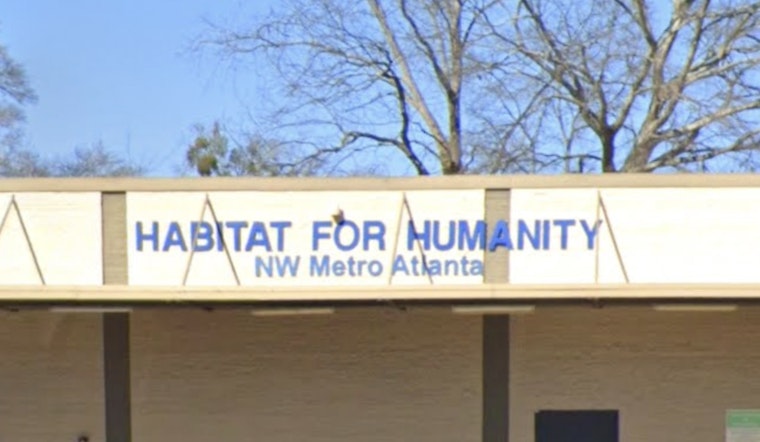
Cobb County is teaming up with Habitat for Humanity of Northwest Metro Atlanta and a private developer to roll out what officials are calling the county’s first mixed-income neighborhood in Powder Springs. The plan would tuck affordable, Habitat-owned homes into a new market-rate subdivision, a move county leaders say is aimed at opening the door to homeownership for residents who are increasingly priced out.
Project details
According to WSB-TV, the Powder Springs site is slated for 36 homes, with roughly one-third designated as Habitat ownership units. County leaders have already opened a priority application window for Cobb County employees. District 4 Commissioner Monique Sheffield told the station the concept is meant to "meet in the middle" between typical market development and deeply subsidized projects, and Habitat officials say current demand for their homes is far beyond what they can build each year.
Design and demand
Habitat for Humanity of Northwest Metro Atlanta has rolled out a new modern home prototype in Powder Springs as part of its "Reimagining Communities" campaign, according to the affiliate's website. Board chair Bakari Brooks described the model as an effort to "set a new standard for beauty, function, and attainability" while the organization works to grow its output beyond only a handful of houses annually.
County funding and context
The latest announcement builds on earlier county support. Cobb County's FY2025 HOME allocations list a funding line for Habitat for Humanity of Northwest Atlanta, reflecting previous partnerships on acquisition and development. Housing advocates say that when they are carefully designed, mixed-income projects can stretch scarce subsidy dollars, reduce stigma around affordable housing and help create more stable neighborhoods.
What’s next
County officials say they hope construction can start within a year, with more information on the application window and buyer eligibility coming as planning and permitting move forward. If the Powder Springs project is built at the scale described, local observers will be watching it closely as a test of whether mixed-income ownership can expand access to affordable homes without dramatically changing the feel of the surrounding neighborhood.





