

























































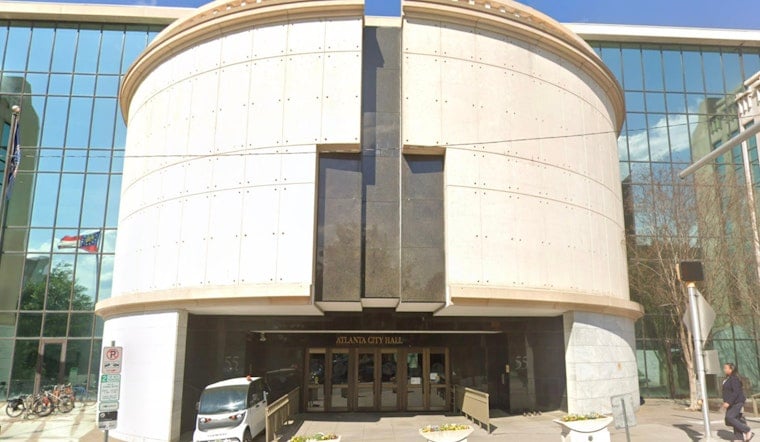
Atlanta homeowners could see their annual trash and recycling bill climb from $559 today to $685 by 2028, a roughly 23% increase, under a rate proposal headed to a public hearing at City Hall Tuesday morning. The standard charge would rise first to $619 in fiscal year 2027 before hitting $685 the following year, working out to about $1.15 more per week for residents in the first year of the increase alone.
The proposal, formally known as Ordinance 26-O-1356, was discussed during a June 25 work session between the Department of Public Works and the City Council City Utilities Committee ahead of the hearing, according to Atlanta City Council. As Axios first reported, city officials stress that the proposed rates have not been finalized, but the numbers on the table would mark a significant jump for the more than 100,000 households that rely on the city's Office of Solid Waste Services for weekly trash and recycling pickup.
A Department Running a $53 Million Deficit
Keith Robinson said in June that the solid-waste department needed new funding to address a $53 million deficit, per the same Axios report. Officials have pointed to increased fuel, labor, and operating costs as the pressures driving the shortfall, compounded by an aging garbage-truck fleet — 31% of which is now beyond its expected lifespan, according to the outlet's reporting.
If approved, the new revenue would go toward building a three-month operating reserve for the solid-waste fund and creating a dedicated account to replace old trucks, the report notes. Households would still receive up to 12 bulk-waste collections per year at no extra charge, along with yard-waste pickup every other week, under the current service structure the article describes.
Multifamily Rates Head the Opposite Direction
While single-family homeowners would pay more, multifamily commercial collection rates are set to fall substantially under the proposal — a striking reversal built into the same rate schedule. Under the city's 2026 rate study, five-day-a-week multifamily collection would drop from $23,978.12 annually this year to $18,452.03 in 2027 and $14,200.69 in 2028, according to the City of Atlanta. The city has also proposed new multifamily collection-frequency options as part of the overhaul.
That rebalancing follows years of legal pushback from multifamily property owners over the city's fee structure. In October 2021, Atlanta agreed to pay $19 million to settle a class-action lawsuit from condominium owners who alleged the city had charged illegal annual solid waste frontage fees on properties where municipal crews never actually performed pickup, as reported by The Atlanta Journal-Constitution. That settlement forced the city to refund disputed charges and rework its multifamily fee codes.
Protections for Seniors, Changes for Backyard Service
The 2026 rate study preserves existing relief for vulnerable households, keeping a 30% fee reduction for eligible senior citizens and continued fee exemptions for residents with disabilities. Qualifying residents would also receive discounted backyard collection service, though backyard collection rates themselves would remain unchanged in 2027.
The city is separately studying operational changes to backyard collection, the curbside-exempt service offered to elderly or disabled residents unable to roll carts to the curb. Ahead of those changes, the city set a June 1 deadline for residents enrolled in or seeking Backyard Service to recertify their eligibility with DPW or ATL311.
Not Atlanta's First Rate Hike, and Not the Region's Only One
This proposal follows an earlier three-year series of increases the City Council approved in August 2024, which implemented a 3.5% hike for fiscal year 2025 followed by 2% increases in fiscal 2026 and 2027, according to WSB Radio. Those earlier increases were designed to stay below the Consumer Price Index but did not close the solid waste enterprise fund's structural deficit, setting the stage for the steeper hike now under consideration.
Atlanta is not alone in confronting rising sanitation costs. In March, the neighboring city of South Fulton unanimously approved raising its annual residential solid waste fee from $233.16 to $275.00, citing rising regional costs for fuel, labor, and sanitation equipment, according to WSB-TV. That city had kept its fee unchanged for three years before this year's adjustment.
How Bills Get Paid and How to Dispute Them
Unlike monthly utility bills, Atlanta's residential solid waste fees are collected once a year on property tax bills issued by the Fulton County Tax Commissioner, per CBS News. That means any approved rate changes would show up on residents' next annual tax assessment rather than a separate monthly notice.
Property owners who want to contest a solid waste assessment must act quickly: under City Code Section 130-85(b), formal billing disputes have to be submitted to the Department of Public Works at least seven days before the bill's due date. Atlanta's Office of Solid Waste Services provides direct residential garbage, recycling, and yard waste collection to the city's households, making Tuesday's public hearing at City Hall the next chance for residents to weigh in before the council moves toward a vote.
The debate over affordability isn't new to Atlanta neighborhoods dealing with waste collection headaches. Hoodline previously reported on trash enforcement troubles in Northwest Atlanta and covered ongoing illegal dumping issues in a Southwest Atlanta trash corridor, underscoring how solid waste policy touches both service quality and cost for residents across the city.





