

























































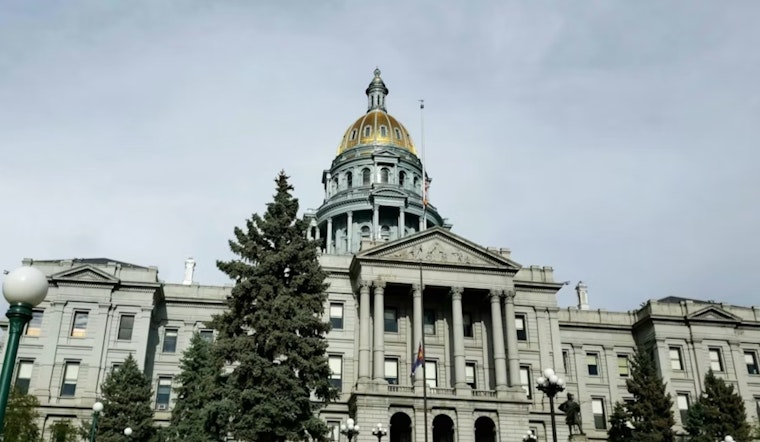
Colorado lawmakers are taking a swing at the fees banks collect every time you swipe a credit card, zeroing in on one specific slice of the bill: sales tax. A new proposal at the Capitol would bar card companies from charging "swipe" fees on the tax portion of purchases, a tweak supporters say could save restaurants and other small retailers thousands of dollars a year without tearing up the payment system.
Senate Bill 26‑134, introduced March 4 and sent to the Senate Business, Labor & Technology Committee, would prohibit payment card networks from counting sales taxes in the amount they use to calculate interchange fees. The restriction would apply to cards issued by financial institutions with at least $60 billion in consolidated assets, according to the bill text from the Colorado General Assembly. Sponsors, a mix of freshman and veteran lawmakers, have been pitching the change as narrow, targeted and workable for regulators.
What SB26‑134 Would Change
Backers say the current system hits Main Street particularly hard. The Colorado Restaurant Association told lawmakers that restaurants pay about $167,500 a year in swipe fees on average and would save roughly $26,000 annually if sales taxes were carved out, according to the Denver Gazette. Supporters, including small‑business coalitions, independent booksellers and craft breweries, argue that keeping fees off tax dollars could be the difference between staying open and going under for some neighborhood spots.
Banks Push Back
Banks and card networks are not exactly cheering. They contend that interchange revenue pays for fraud monitoring, cybersecurity tools and dispute resolution systems that keep plastic payments running smoothly for consumers. In an opinion piece, Brett Wyss of the Colorado Bankers Association wrote that interchange "helps make electronic payments both convenient and trustworthy" and urged lawmakers to think carefully about the trade‑offs, according to Colorado Politics.
Why The Timing Matters
The debate is unfolding as courts in another state wrestle with nearly the same question. Last month, a judge largely upheld Illinois' first‑in‑the‑nation law that bans interchange fees on taxes and tips, a ruling supporters celebrated and banks quickly promised to appeal, according to Capitol News Illinois.
Similar ideas have surfaced in legislatures across the country as merchants try to trim what they describe as a hidden cost of taking cards. Proponents note that swipe fees typically land at roughly 2% to 3% of a transaction. State policy watchers and industry groups have tracked the Illinois litigation closely while sizing up Colorado's more limited approach, using data from NACS.
Legal and Practical Hurdles
Legal analysts caution that the Illinois case delivered a split outcome. The court let the restriction on interchange fees stand but struck down provisions that tried to control how companies use transaction data, which left a thicket of compliance questions. Commentary on JDSupra notes that those kinds of technical disputes and federal preemption issues are likely to surface if Colorado moves ahead, and any real enforcement may not be settled until after multiple rounds of appeals and further litigation.
What's Next For Colorado
SB26‑134's prime sponsors are Sen. William Lindstedt and Sen. Iman Jodeh in the Senate, along with Reps. Julie McCluskie and Monica Duran are in the House, according to the Colorado General Assembly. Lindstedt has said the bill deliberately focuses on the biggest issuers, which he told reporters control about 80% of credit cards, a point reported by the Denver Gazette.
Whether the measure actually becomes law will depend on how it fares in committee, where the governor ultimately lands and how aggressively opponents push the fight into court, a process that could postpone any savings for years. For now, Colorado finds itself in the thick of a national tug‑of‑war over who should pick up the tab for the basic plumbing of modern payments.




