

























































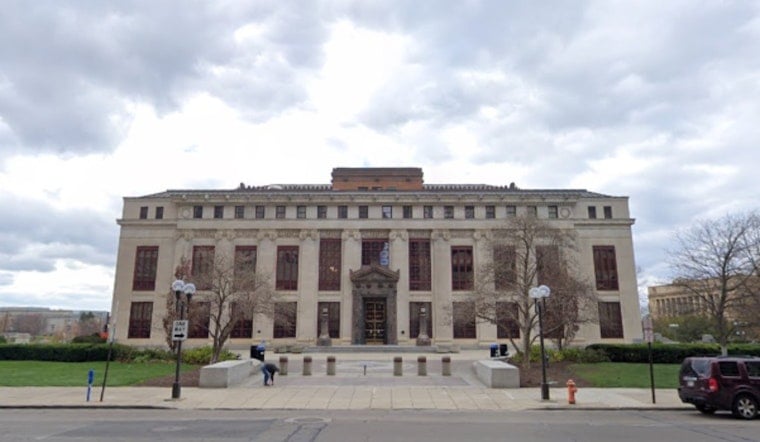
Columbus City Council has decided to keep the city’s Flock Safety license-plate reader network rolling, even as a growing list of other cities pump the brakes over federal access concerns. The move keeps roughly 40 fixed automated license plate reader (ALPR) cameras operating along targeted corridors and high-crime stretches of the city, sharpening a divide between police leaders who call the system a crucial investigative tool and advocates who see the makings of a searchable surveillance dragnet.
According to The Columbus Dispatch, council members voted to retain the Flock contract after public comment and briefings from police officials. The agreement covers about 40 cameras, and officers have used Flock alerts in homicide investigations and stolen-vehicle cases. City officials told the paper the devices are concentrated in high-crime areas and that automatic plate matches can shave valuable time off investigations.
What Critics Say
Immigrant advocates and privacy groups say they are not reassured, pointing to national investigations that show how Flock’s massive network can be tapped by federal agencies. Audit logs and internal records revealed Immigration and Customs Enforcement and Customs and Border Protection running immigration-related queries through Flock’s nationwide lookup system, at times pulling data from cameras installed by school districts, according to reporting by The 74. That investigation documented thousands of searches where officers explicitly listed “ICE” or “immigration” as the reason for their queries. Local advocates told council members they do not want Columbus feeding into a system that can quietly track people as they move across city and state lines.
Police And City Defense
City and police leaders counter that the cameras are about public safety, not federal immigration dragnets. Flock alerts generate leads that might otherwise take detectives days to find, The Columbus Dispatch reports. Officials emphasize that the devices capture motion-activated still images rather than continuous video and that plate data is kept for only a short period unless it is preserved for an active investigation. They say officers must follow department rules when querying the system and are subject to audits and potential discipline if they misuse it.
Other Cities Are Pulling Back
The decision in Columbus comes as at least dozens of communities around the country have shut off or canceled their Flock contracts since 2025, amid the same privacy and immigration worries, according to reporting by WOSU/NPR. College towns and smaller cities are among those backing away, and some larger jurisdictions are shopping around. In Denver, officials recently said they would not renew the city’s Flock deal and instead planned to switch to a different vendor, according to Axios. That broader national pushback helped fuel the campaign by Columbus activists who called on council to pull the plug.
Policy Fixes And The Company Response
Flock has argued that its customers control how and with whom they share data. The company says it has added filters meant to block some kinds of searches and has paused certain federal pilot programs. Critics respond that tweaks on the margins do not fix the core problem, since the same vast, searchable network still exists in the background, as reported by The Guardian and education outlet The 74. For now, cities that want to stay in the Flock ecosystem are leaning on policy tools closer to home: stricter local limits on data sharing, shorter retention periods, mandatory audits and contract language that explicitly bans certain cross-jurisdictional queries.
Court Fights And Legal Risk
The legal landscape around license plate readers is also starting to shift. In 2024, a trial court in Norfolk, Virginia, threw out evidence that police obtained from a citywide ALPR network, ruling that the system’s broad scope resembled a GPS-style tracking dragnet and could require a warrant, according to GovTech. That case and the appeals that followed are now cited by advocates who argue that large, searchable plate databases raise serious constitutional questions and should be tightly limited long before cities sign or renew contracts.
For now, Columbus is keeping its cameras humming, but no one is pretending the debate is over. Activists say they will continue to push for transparency, robust audits and firm rules on how and when the city shares plate data. City leaders say they are watching the courts and any changes at the state level that could reshape how ALPR systems are allowed to operate. Council members also signaled they could revisit local policy if new evidence surfaces of unauthorized federal access or other privacy breaches that put residents at risk.



