

























































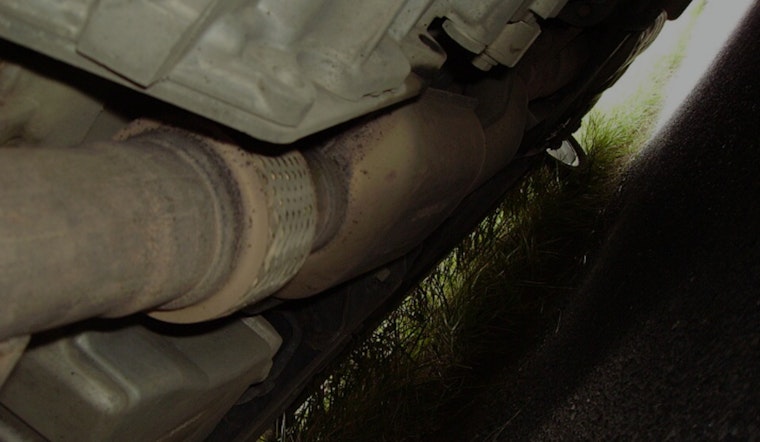
As the snow melts across the Twin Cities, a familiar headache is back for drivers in St. Paul and Minneapolis: catalytic converter thieves are prowling again, leaving residents with roaring engines, undriveable cars, and eye-watering repair bills. St. Paul has seen a sharp jump in cases this winter, while Minneapolis is logging more thefts than at this point last year. Police say the pattern is closely tied to the market price of the precious metals inside the converters and report they are ramping up patrols in the hotspots where thieves like to work.
According to KSTP, St. Paul police recorded 97 catalytic converter thefts by the end of February 2026, up from 60 at the same point in 2025 and 41 in 2024. Minneapolis logged 27 thefts by the end of February, compared with 15 a year earlier. Deputy Chief Kurt Hallstrom told KSTP the numbers are "definitely on the rise" but still below the peak levels seen in the early 2020s, and he pointed to a recent $3,700 replacement bill for one unlucky victim as a sign of how painful a single theft can be. Hallstrom said officers are concentrating patrols in vulnerable areas and are leaning on new technology to track and catch thieves.
State law tightened resale rules after the 2020s wave
As outlined by Minnesota statutes, dealers who buy detached catalytic converters must record the vehicle identification number or other identifying information, and since August 2024, they have been required to enter those details into a law-enforcement database. Officials and police credit those tightened rules with helping push thefts down in 2024, even as they acknowledge that a rebound in precious metal prices has made it harder to hold onto those gains.
Market rebound is fueling crime
Industry reports show platinum-group metals, especially rhodium, have rebounded in early 2026, making stolen converters more lucrative on the scrap market. Heraeus reported rhodium near $12,350 per ounce in early March. That kind of price spike shortens the time it takes thieves to cash out and keeps catalytic converters attractive both to opportunistic crooks working a block at a time and to organized buyers looking to move stolen parts in bulk.
How cities and police are responding
Cities and police across the metro are experimenting with a mix of tactics, from free VIN-etching and marking events to stepped-up patrols and scrap-yard inspections. St. Louis Park's community program is one local example, offering free converter marking as a deterrent. On a larger scale, federal prosecutions have gone after multi-state theft rings that move converters across state lines, according to the Associated Press.
Police are urging residents to park in well-lit areas whenever possible, etch or mark their converters, and call in suspicious activity right away. If a converter does vanish, victims are advised to file a police report and then check with their insurer and local scrap dealers to see whether the part surfaces in the database created under state law, officials say, per KSTP.




