

























































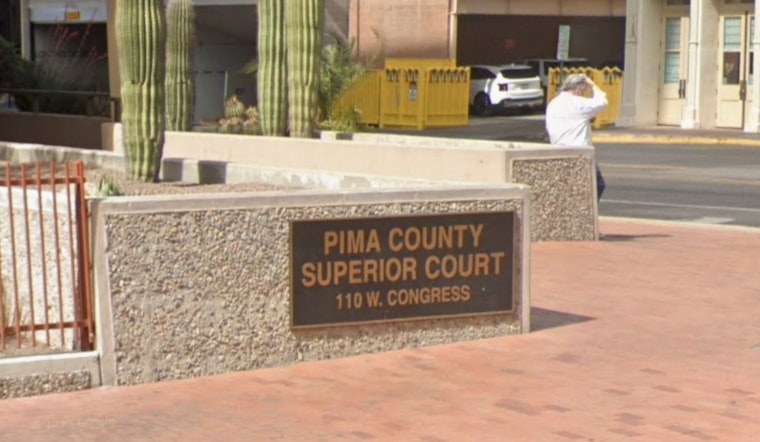
Murad Dervish, the former University of Arizona graduate student convicted in 2024 of killing hydrology professor Thomas Meixner, is now asking the Arizona Court of Appeals to throw out that conviction. During an oral-argument hearing on March 17 in Tucson, his attorney told a three-judge panel that Pima County Superior Court Judge Howard Fell showed bias during the trial. A jury had found Dervish guilty and he was later sentenced to life in prison, along with additional consecutive terms on related charges.
Appeal hearing in Tucson
At the March 17 hearing, Dervish’s legal team argued that Judge Fell’s rulings and courtroom conduct warped the playing field, including how expert testimony was handled, according to KOLD. Prosecutors countered that the bias allegation is speculative and pointed out that some of the objections now being raised were never made during the trial, the outlet reported. Video coverage from the proceeding also spotlighted the defense claim that the judge’s behavior justifies tossing the verdict, as shown in FOX 10.
Defense zeroes in on psychiatric testimony
Dervish’s attorneys focused heavily on the testimony of psychiatrist Dr. Bradley Johnson, who told jurors that a person can be insane and still know the difference between right and wrong. The defense argued that Johnson’s testimony, and the way the court managed mental health evidence overall, improperly pushed the case in the state’s favor, as reported by KGUN. They also questioned the jury instructions and raised concerns that jurors may have picked up on suggestions about intoxication at the time of the shooting.
Case history and settlement
Dervish was convicted in May 2024 on six felony counts, including first-degree murder, after jurors rejected a "guilty except insane" verdict, according to AP. He received a sentence of natural life in prison plus additional consecutive years for the other counts, and the Meixner family later reached a $2.5 million settlement with the University of Arizona and the Arizona Board of Regents over campus safety failures, per Arizona Public Media. For more background on the guilty verdict, see our earlier verdict coverage.
Legal outlook
To overturn a conviction, appellate judges generally have to find a clear legal error or at least a serious appearance of bias, and those are not easy bars to clear. Nationally, most criminal appeals in state courts end with the original result left in place, according to data from the BJS. That means Dervish is facing long odds even as his lawyers press their case.
The Court of Appeals panel did not issue a ruling from the bench at Tuesday’s hearing, and it will review the trial record before deciding. It could be at least a week before a written decision comes down, KOLD reported.





