

























































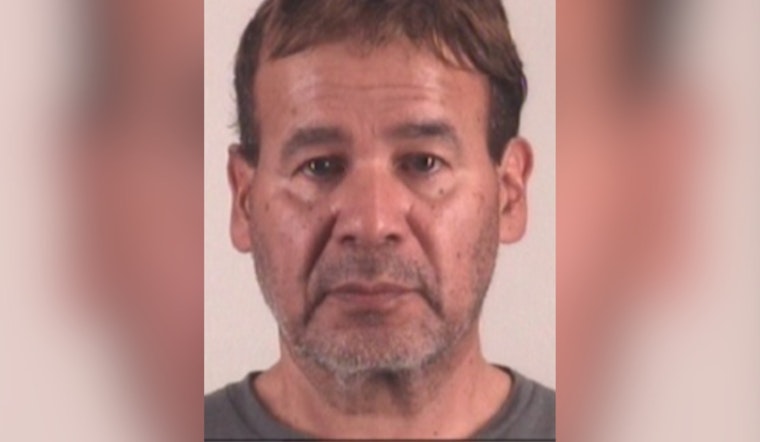
Fort Worth police say a 60-year-old man spent months pretending to be a lawyer, working the phones and messages from the Tarrant County Jail to squeeze money out of inmates and their families, then ghosting them once the cash came through.
Investigators allege he promised legal help, collected fees and then never followed through, leaving already stressed families even more strapped for cash. The case has now triggered a wider probe and a warning to anyone who might have heard from the man.
According to the Fort Worth Star-Telegram, Tarrant County Sheriff’s Office investigators identified the suspect as 60-year-old Ramond Davis Jr. They say he took at least $3,000 from people who believed they were paying for legitimate legal services. Detectives told the paper Davis is not a licensed attorney and that multiple charges are pending against him. They also think there could be more victims and are keeping the investigation open.
How The Scheme Worked
Investigators say Davis contacted people in the Tarrant County Jail or their family members, pitching himself as someone who could represent them or line up legal help for a fee. The money, authorities allege, went to Davis instead of toward court filings or actual defense work, and the promised help never appeared.
Similar playbooks have surfaced elsewhere, with scammers dangling legal favors or early release in front of desperate families. Hoodline previously reported on a scheme that preyed on an elderly victim that followed a comparable pattern.
Investigators Seek More Victims
The Tarrant County Sheriff’s Office is now asking anyone who was contacted by Davis to reach out to investigators T. Johnson or V. Espino‑Nevarez at 817‑884‑1400 and share what they know. Officials told the Fort Worth Star-Telegram that Davis has been arrested and remains in custody while detectives continue to chase down leads.
Authorities say anyone who suspects they were targeted should hold on to anything that might help the case, including receipts, screenshots, cash app records or other documentation of payments and conversations.
What Happens Next
Prosecutors will review the case and decide which formal charges to file in Tarrant County courts. In the meantime, victims and family members who believe they were caught up in the alleged scheme are urged to preserve bank records, phone logs and messages and provide them to investigators as the case moves forward.





