

























































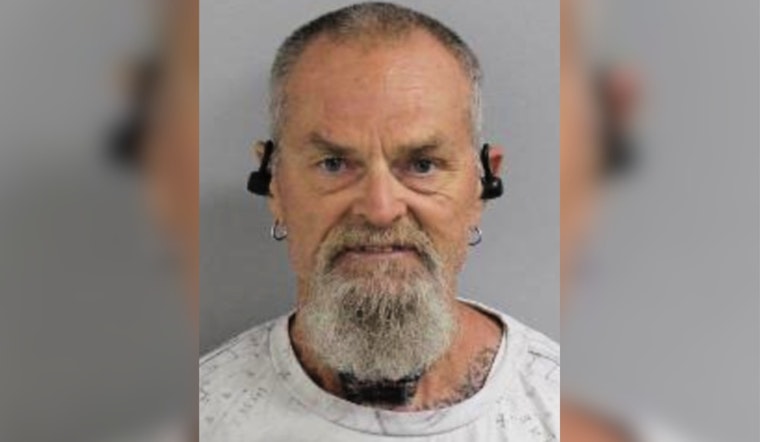
Denver police dropped a serious heads-up on Cherry Creek residents Thursday, posting an alert that a man legally designated as a sexually violent predator is living in the neighborhood. The department identified him as William Andrew Curtis and emphasized that the notice is meant to keep the community informed, not to stir up panic. Officers also reminded residents that social media is not a stand-in for calling or texting 911 during an actual emergency and urged anyone with tips or concerns to contact police through official channels. The alert does not spell out what kind of supervision or monitoring, if any, Curtis is under.
The department’s Facebook post names Curtis and links to an informational video, according to the Denver Police Department. The post directs neighbors to a short explainer on the department’s YouTube channel, cited as the Denver Police YouTube, which walks through how the community-notification system works. It also repeats the basics: call or text 911 for emergencies, use official phone lines for non-emergency tips, and do not rely on social platforms that are not monitored around the clock or equipped to take service requests.
Legal Basis for the Notice
Under Colorado law, local law enforcement must notify the public in certain situations when an offender has been formally designated a sexually violent predator. The community-notification rules are laid out in Part 9 of Title 16, which authorizes police to share information through a structured public safety program, according to the Colorado Revised Statutes. The legislature’s declaration highlights a balance between keeping residents safe and discouraging vigilantism when these alerts go out. Local agencies are expected to follow protocols approved by the state Sex Offender Management Board when deciding how and when to notify neighbors.
Curtis was convicted of sexual assault in 2010, received a 12-year-to-life sentence, and was designated a sexually violent predator by the trial court. That designation has been repeatedly upheld on appeal, according to the Colorado Court of Appeals in People v. Curtis. Court records show that multiple post-conviction challenges to his SVP status were rejected as either successive or untimely. The SVP label is the specific statutory trigger that allows and, in some cases, requires police to carry out community notification in Colorado. The department’s social media post does not attach those court documents but steers residents to official resources if they want more information.
What Neighbors Should Do
If you witness criminal behavior or feel you are in immediate danger, call or text 911 right away. For issues that are not urgent, residents are asked to use the Denver Police non-emergency line at 720-913-2000, according to the City of Denver. Questions that are specifically about sex offender registration or the community-notification process can be directed to the department’s Sex Offender Registration/Compliance Unit at 720-913-6511, as listed on the sex offender page for the City of Denver. Police are asking residents not to approach or confront the individual named in the alert and instead to funnel any tips, concerns, or evidence through official reporting channels rather than social media comment sections.
Legal Implications
Being labeled a sexually violent predator carries legal and practical consequences beyond the community alert itself. The designation is based on specific statutory criteria and a court-approved risk assessment process, according to guidance from the Colorado Division of Public Safety and the SVP assessment handbook from the Colorado Division of Public Safety. Offenders sometimes challenge the label in court, but appellate decisions show that once a trial court has made an SVP finding supported by the record, it is difficult to overturn. In Curtis’s case, appellate courts have reviewed and upheld the SVP determination. Residents who want a deeper dive into the legal framework can look at the statutes and case law that govern SVP designation and public notification.
Denver police have characterized the post as a routine community-notification update required by law. Anyone with immediate safety concerns is urged to call 911. For routine questions, records, or clarification about the process, residents can contact the Sex Offender Registration/Compliance Unit at 720-913-6511 or use the department’s non-emergency hotlines. The department regularly issues similar notices on its social channels when community notification is required and points viewers to its short YouTube explainer to help neighbors understand what the alerts mean. This story will be updated if officials release additional information.





