

























































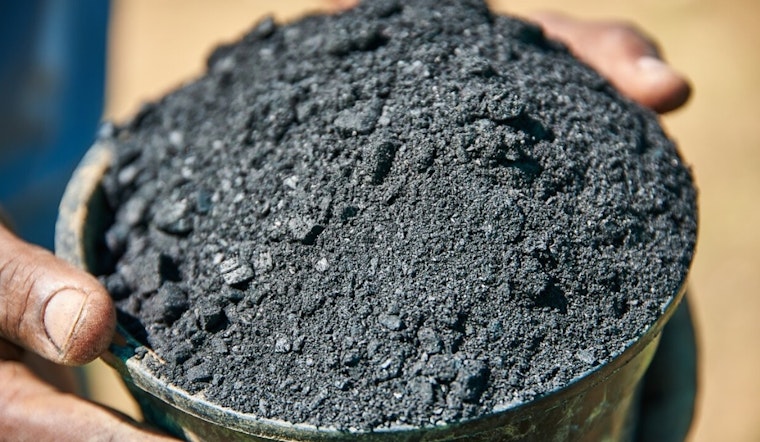
Coral Gables is cashing a $1.5 million check from Miami‑Dade County while holding on to a key piece of land that could soon house one of the region’s most closely watched climate-tech experiments: a biochar facility meant to turn downed trees and yard debris into a reusable, charcoal‑like product.
City officials say the approach is designed to cut disposal costs, speed post‑storm cleanup and eventually bring in new revenue, all while freeing up room at crowded landfills.
Commission Signs Off On Short Extension
At a recent City Commission meeting, Coral Gables leaders approved a short‑term extension that lets Miami‑Dade keep using nearly five acres of city‑owned public‑works property on Southwest 72nd Avenue as a waste‑transfer site through March 2027. In return, the county will pay the city $1.5 million upfront and give Coral Gables temporary access to a former county‑owned landfill in south Miami‑Dade for staging hurricane debris, according to the Miami Herald. Officials on both sides say the short lease extension buys time to plan where the county’s transfer operations will ultimately move.
City’s Biochar Plan And Price Tag
With that breathing room in place, Coral Gables is teeing up a sizable bet on biochar. The city plans to buy two biochar‑making machines from Palm City‑based Air Burners for about $3.47 million and build out a full facility expected to cost roughly $7.5 million all in. City managers are projecting around $1 million a year in savings and say they expect to recover remediation and setup costs within three to five years, according to WLRN.
How The Machines Work And What Miami‑Dade Is Testing
The Air Burners “Biocharger” uses an air‑curtain system that the manufacturer says helps keep smoke and harmful particulates down while turning wood waste into biochar. That material can then be applied as a soil amendment or blended into things like concrete and asphalt.
Miami‑Dade, meanwhile, is running its own experiment at the South Dade Landfill with a separate biochar unit operated by Clean Earth Innovations. The pilot, supported in part by the Miami‑Dade Innovation Authority, is aimed at testing how scalable the technology might be across the county’s solid‑waste system, according to a county press release from the Miami‑Dade Department of Solid Waste Management.
Neighbors And Officials Weigh Tradeoffs
City Manager Peter Iglesias and Mayor Vince Lago have argued the Coral Gables facility would let the city chew through massive piles of post‑storm tree debris far more quickly while insulating residents from rising tipping fees for disposal. Researchers and USDA soil scientists quoted in coverage note that the systems still produce some smoke at startup and shutdown and must be operated carefully, the Miami Herald reports. The short lease extension is meant to give the city and county time to sort out operational safeguards and cleanup logistics before any permanent move of transfer operations becomes necessary.
Next Steps And Timeline
Miami‑Dade’s South Dade pilot is expected to wrap its initial phase in April, after which county leaders will decide if and how to roll the technology out more broadly. Coral Gables officials say they hope to have their own biochar facility up and running within about two years and plan to seek partnerships and grants to help shave down the upfront costs, according to Local10.



