

























































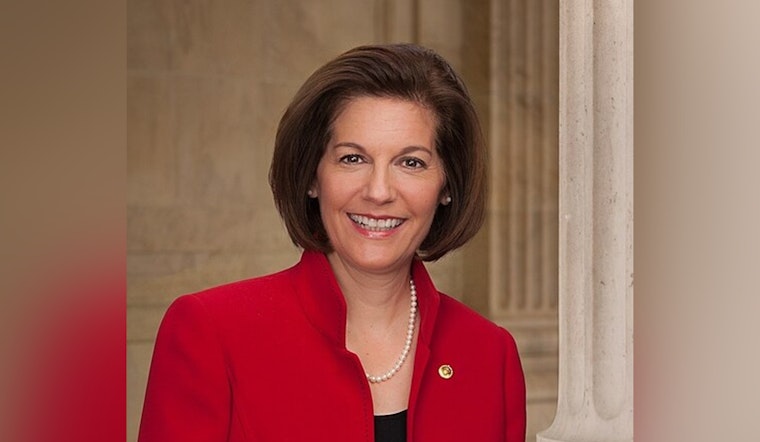
Sen. Catherine Cortez Masto dropped into the College of Southern Nevada’s Early Childhood Education Lab at the North Las Vegas campus on Friday, using the stop to hammer home a point working parents know all too well: without affordable, reliable child care, jobs and degrees are a lot harder to hang on to. The visit highlighted how campus-run care can keep parents employed while giving CSN students a real-world training ground in early-childhood education.
Senator pushes federal child-care bills
Inside the lab, Cortez Masto urged colleagues in Washington to back two key measures: the Child Care for Working Families Act and the bipartisan Stronger Start for Working Families Act. She argued that, together, the bills could cut what families pay and raise what caregivers earn.
Under the Child Care for Working Families Act, family costs would be capped and more child-care slots would be created. The Stronger Start proposal would change when families begin receiving refundable Child Tax Credit benefits, according to a Hassan-Young release. Coverage of Cortez Masto’s visit and her pitch for the bills was also carried by the Review-Journal.
CSN lab, temporary moves and training
CSN’s Early Childhood Education Lab takes in children from roughly 3 months to 5 years old. The college says the center offers discounted care for families while doubling as a hands-on training site for students in education programs.
Right now, CSN has consolidated child-care services at the North Las Vegas campus while its Charleston campus lab is shut down for redevelopment. College leaders say they are working on funding and logistics to bring that Charleston lab back online.
Campus for Hope reshapes the Charleston site
The Charleston property is being reshaped into Campus for Hope, a roughly $200 million transitional-housing and social-services complex. As part of the deal, developers agreed to provide modular classrooms and a $1 million donation to help CSN move its modular units, according to Board of Regents records and local reporting.
The project has sparked protests and legal challenges from nearby residents, even as officials emphasize that Campus for Hope is expected to include job training, wraparound services and a multi-phase construction schedule.
Local costs and what families face
During the visit, CSN leaders and lab director Mary Regan told Cortez Masto that dependable, affordable care can be the difference between staying in school and dropping out, or between holding a job and losing it. They said many local families routinely stare down daycare bills that run several hundred dollars a week.
On a national scale, Cortez Masto’s office cites data putting average yearly child-care costs at more than $13,000 per child, a figure her team argues shows why federal help is not just nice to have, but necessary.
Where Cortez Masto says the money should go
Cortez Masto also used the stop to take a swing at how federal dollars are currently being spent, criticizing large allocations for immigration enforcement instead of direct supports for families.
“That money should instead help working families, businesses and students by lowering costs,” she told the Review-Journal.
What’s next
CSN officials say they plan to keep pressing state and federal leaders for help and will send in formal funding requests as they try to rebuild campus-based child-care capacity.
Board materials note that if the agreed-on modular move and related funding fall through, CSN might not be able to reopen the Charleston lab in time to bring back the full slate of subsidized seats that many families in the area are counting on.



