

























































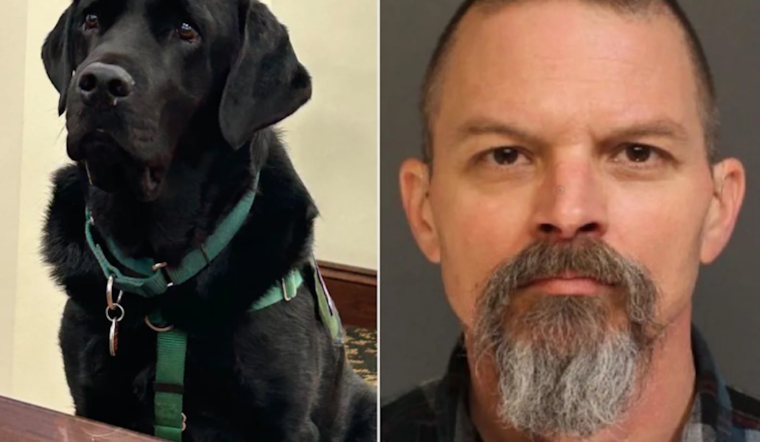
A routine lunch break turned into a legal mess in central Pennsylvania when a courthouse therapy dog wandered into a jury room, got some quick pets from jurors, and ended up sinking an entire animal-cruelty trial.
President Judge Michael F. Salisbury declared a mistrial in the case of Robert J. Wallish III, a Hummelstown man accused of killing his neighbor’s dog, after learning that jurors had interacted with the courthouse facility dog during deliberations. The timing was especially dramatic, coming just as the defense was preparing to rest its case in the trial over the December 2024 death of Hemi, an 11-year-old yellow-mix Labrador.
In a written order, Salisbury said “the introduction of the courthouse facility dog into the jury room during the lunch recess” created the problem that led him to grant the defense’s motion for a mistrial, according to reporting by The Express. Defense attorney Sarah Marie Lockwood moved to have the panel dismissed once she learned jurors had handled the dog. District Attorney Dave Strouse pushed for a lighter fix, asking the judge to poll the jurors and issue a curative instruction instead.
Salisbury ultimately sided with the defense, halted the proceedings, and ordered the case set for a new venire while court staff worked with prosecutors and defense counsel on a fresh schedule.
How the Facility Dog Got In
Reporting that traces the chain of events to PennLive says the courthouse facility dog, a black Labrador named Clark, was in the building with a probation-office handler when the leash was dropped. Clark seized the opportunity, slipped into the jury room, and jurors petted him during a lunch break, per Yahoo/People.
Court staff eventually discovered the unplanned visit, intervened, and alerted the judge. Both prosecutors and defense lawyers told Salisbury the encounter risked contaminating the jurors’ impartiality in a case that turns on allegations of animal cruelty. In a trial centered on a dead dog, the presence of a living, friendly one inside the jury room was the kind of detail no one wanted to defend on appeal.
What Happened on the Stand
Shortly before the mistrial, jurors had heard directly from Wallish about what he said happened in the early-morning hours of Dec. 16, 2024. He testified that he fired a rifle while replacing a trail-camera battery in the predawn dark and later realized he had shot a dog.
“I felt terrible because it was a dog,” Wallish said on the stand, according to reporting. He also testified that he bagged the animal’s body, drove back toward Dauphin County, and left the remains in a field. That testimony underpins charges that include aggravated animal cruelty and tampering with physical evidence, as detailed by Yahoo/People.
Next Steps for the Case
Salisbury’s order sets a new jury selection date for May 15, and the court administrator is now working to coordinate a new trial schedule with the commonwealth and the defense, per The Express. For the moment, Wallish remains free under previously granted conditions while the prosecution weighs whether to retry the case or seek some other disposition.
If the parties decide to proceed, the next round will start with seating an entirely new jury that has had no exposure to the facility-dog incident or the prior proceedings.
Why Courtroom Dogs Can Be Contentious
Courthouse facility dogs are widely used to calm victims and vulnerable witnesses as they navigate stressful testimony. Legal observers note that these programs are often effective and popular. At the same time, their presence can complicate high-profile or emotionally charged trials if jurors come into contact with the animals.
Courts typically try to keep jurors separate from working dogs to avoid any appearance that a warm, wagging presence is nudging their sympathies, according to coverage by the Spokesman-Review. In this case, the dispute over whether the brief contact could be remedied with instructions or required a full mistrial is what pushed Salisbury to scrap the proceeding and call for a new panel.
The mistrial is a blunt reminder of how a small, unscripted moment can upend a carefully planned courtroom calendar. Unless the commonwealth and defense reach a plea agreement, local officials will be back at it in mid-May, preparing for jury selection and revisiting the same difficult questions about evidence, intent, and how precisely a trial should unfold when animals are at the heart of the story.



