

























































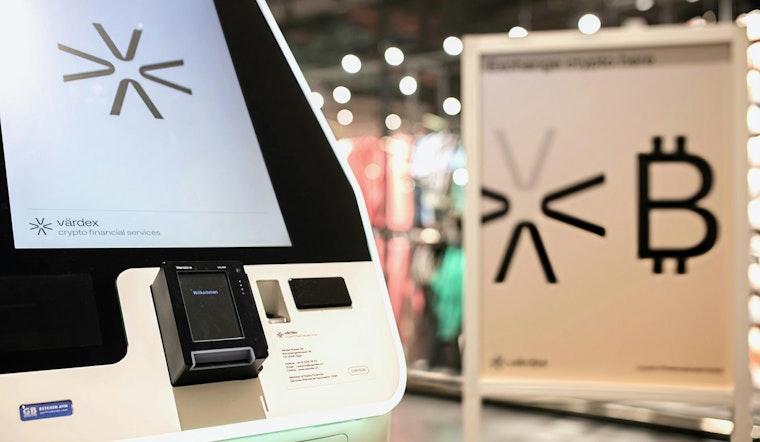
Brooklyn Park police are warning residents to hit the brakes on anyone pushing them toward a cryptocurrency kiosk, after a surge in scams that end with victims yanking out cash and feeding it into a machine. The department says that if someone is telling you to use a crypto kiosk, that should be treated as a flashing red warning sign, and anyone who has already paid up should contact police right away.
The department posted the alert on its official Facebook page, urging residents to "pause, reflect, protect" when they are hit with sudden demands to turn cash into crypto, according to the Brooklyn Park Police Department. The post cautions that callers who direct you to pull money from your bank account and deposit it at a kiosk are almost certainly scammers and says victims should reach out to police as soon as possible.
How the kiosk scam works
Scammers typically kick things off with an urgent phone call, often pretending to be a bank, a court official or even a romantic partner, then walk victims through converting cash at a nearby crypto kiosk. Once the money is turned into cryptocurrency and sent to a wallet controlled by the scammer, reversing the transfer is nearly impossible, according to the FBI IC3, which reports 10,956 complaints tied to crypto ATMs in 2024 and about $246.7 million in losses.
Minnesota officials push for tougher rules
State officials in Minnesota have repeatedly warned that cryptocurrency kiosks are a favorite tool for fraudsters and have issued consumer guidance. Attorney General Keith Ellison said, "The spread of Cryptocurrency ATMs has me extremely concerned," in a Scam Stopper release that outlines refund rights and reporting options, according to the Minnesota Attorney General’s Office. Lawmakers have also introduced HF3642, a proposal to restrict or ban physical kiosks, as covered by the House’s Session Daily.
What to do if you’re targeted
If someone tells you to withdraw cash and head straight to a kiosk, the safest move is to hang up, slow down and talk it through with a trusted friend or family member before you act. AARP’s "Pause, Reflect, Protect" campaign recommends exactly that kind of time-out. The Attorney General’s guidance also notes that "If you created a new account with a cryptocurrency ATM and lost money to a scam, you are entitled to a refund for all transactions made within the first 72 hours," so moving quickly is key. Keep any receipts, QR codes or wallet addresses you were given, since they can help with refund requests and reports.
Resources and reporting
Anyone who has been scammed should call 911 in an emergency, and otherwise contact the Brooklyn Park Police non-emergency line or file a complaint with the Minnesota Department of Commerce, the FBI’s IC3 and the FTC. The Department of Commerce and IC3 offer online complaint forms, and the city’s police page includes local contact details to help residents get started. Officials stress that even smaller losses should be reported so investigators can spot patterns and track repeat offenders.



