

























































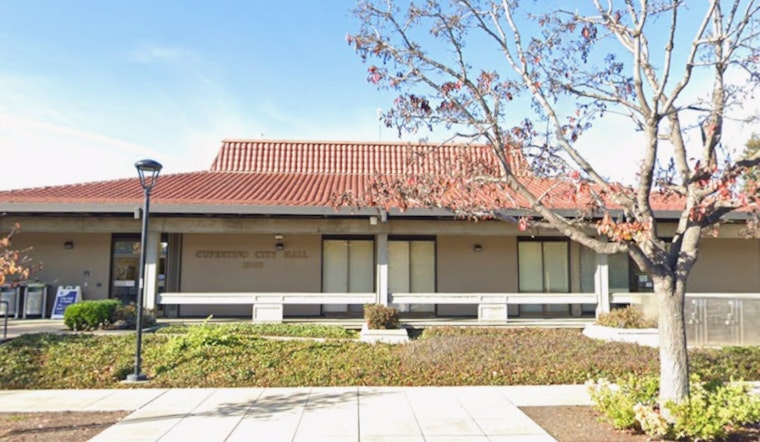
Cupertino leaders are quietly testing whether residents are willing to almost double what they pay in utility taxes, a move that could land on the November ballot if voters do not balk at the idea.
At a Tuesday meeting, the City Council told staff to poll residents on raising the Utility Users Tax from 2.4% to 4.8%. The potential measure would continue to cover services such as electricity, gas and telecommunications, while carving out an exemption for older adults on fixed incomes. The poll results will help the council decide whether to place a tax measure on the Nov. 3 ballot, according to San José Spotlight.
Staff analysis: How much the increase could raise
The staff packet includes a follow-up analysis by consultant HdL that lays out the stakes of the potential hike. At the current 2.4% rate, Cupertino’s Utility Users Tax generates about $3.9 million a year. Doubling the rate to 4.8% could bring in roughly $7.9 million annually, according to the consultant’s estimates.
HdL also noted that utility users taxes across California typically run between 4% and 5%, a range that staff said helps frame how Cupertino might “modernize” its tax base. Those details are spelled out in the city’s City staff report.
Budget pressures pushing the call
Councilmembers repeatedly pointed to mounting costs as the backdrop for the poll, with a proposed sheriff’s services contract looming especially large. That contract “could go up from about $19 million to nearly $26 million annually,” a jump that has city leaders looking for new revenue.
“If we’re going to poll anyway, then I would want to have a little bit more information than just the one question,” Councilmember J.R. Fruen said during the discussion, according to San José Spotlight.
Other revenue options on the table
The utility tax is not the only lever on the council’s radar. Staff also laid out alternatives, including a local Transactions and Use Tax. HdL estimated that a 0.125% Transactions and Use Tax would raise around $2.7 million a year, while a 0.25% rate could bring in about $5.4 million annually, according to the City staff report.
Another possibility is modernizing the city’s business license tax, which has not been overhauled since 1992. Cupertino’s current structure brings in roughly $14.19 per capita, a figure that trails nearby cities such as Mountain View and Palo Alto, the City staff report notes.
What comes next
The council plans to review the polling results before deciding whether to send a utility tax measure, or any other revenue option, to voters in November. For residents tracking the process, the Cupertino City Clerk’s office explains how local measures move to the ballot and outlines key election dates on the city’s elections page.
The debate highlights a familiar local tension: many residents want to protect services and public safety, yet worry that additional taxes could tighten the squeeze on households and younger families trying to stay in town. For now, city leaders are betting that the poll will show just how far voters are willing to go to keep Cupertino’s budget in the black.



