

























































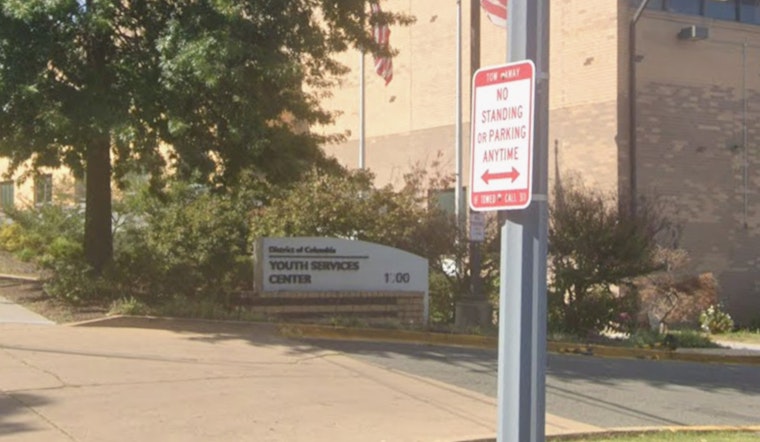
The D.C. Council is taking a hard look at what actually happens inside the Youth Services Center, moving forward with a bill that would force routine public reporting about who is held at the city’s juvenile detention facility and what goes on there. The proposal would make non-identifying population and incident data public and require the mayor to produce a plan to tackle chronic overcrowding within 120 days. Advocates and reporters have long warned that the center is operating under dangerous strain, and supporters say regular data releases would finally create a public record people can track over time.
What the bill would make public
The Strengthening Capacity and Transparency at DYRS Amendment Act would require DYRS to post daily population counts by status at entry, race and age; the average length of stay; monthly tallies of new admissions and conversions to committed status; counts of room confinement that exceed six hours; monthly critical-incident and assault totals; and standardized recidivism metrics. It also directs the mayor to submit a one-year action plan to bring the Youth Services Center population down to a maximum of 90 youth within 120 days of the act taking effect. The D.C. Council lays out the specific reporting fields and timeline in detail.
Councilmembers say transparency is necessary
Councilmember Zachary Parker, who chairs the Committee on Youth Affairs, told reporters the measure "seeks to ensure that critical data from DYRS is made available to the public" and pointed to chronic overcrowding at the facility. Parker said the Youth Services Center is a 98-bed facility that was over capacity for much of last year and estimated that roughly 50 percent of youth who leave the center end up back in the system. He cited those figures to argue that more public accountability is needed, as reported by WJLA.
Investigations show a strained system
Independent reporting and internal agency data have documented long waits for placement, a sharp rise in violent incidents and mounting injuries at the detention center. The Washington Post found that average waits for placement jumped from about 12 days in 2018 to roughly 60 days in 2024, that dangerous incidents at the Youth Services Center increased sharply, and that more than 70 percent of juveniles committed to DYRS from 2018 to 2022 were later accused of new offenses within two years. Those findings have helped fuel the council’s push for routine public data about the facility.
Watchdogs counted abuse and oversight gaps
Legal advocates reviewing facility footage say staff used banned chokeholds, prone restraints and other forceful techniques on residents, according to a Disability Rights DC investigation described in Washington City Paper. That reporting says some incidents were not promptly reported or properly categorized by the agency. Advocates also raised alarms after independent oversight of juvenile facilities was effectively defunded last year, a change NBC4 says removed one external check on conditions inside YSC.
Privacy, data and the legal line
The legislation explicitly states that reporting will happen "notwithstanding juvenile confidentiality laws," building on D.C. law that permits agencies to publish de-identified, aggregate juvenile data as long as identifying details are withheld. Recent changes to the D.C. Code set standards and redaction rules for sharing youth data publicly, a legal pathway the bill leans on as it tries to balance transparency and privacy; see the D.C. Code for the statutory language. Advocates and defense attorneys warn that the protections will matter most in how the city defines de-identification and manages small-number data cells.
Next steps and local reaction
WJLA reported that the Council voted to advance the measure this week. If the bill becomes law, the mayor would have 120 days to deliver a one-year plan to address overcrowding, and the act would then be subject to the usual 30-day congressional review as spelled out in the bill. Advocates caution that dashboards and data will only go so far unless the city also expands placement capacity, staffing and outside oversight. Councilmembers and community groups say they plan to hold hearings and listening sessions to monitor implementation and press for clear, searchable public dashboards.





