

























































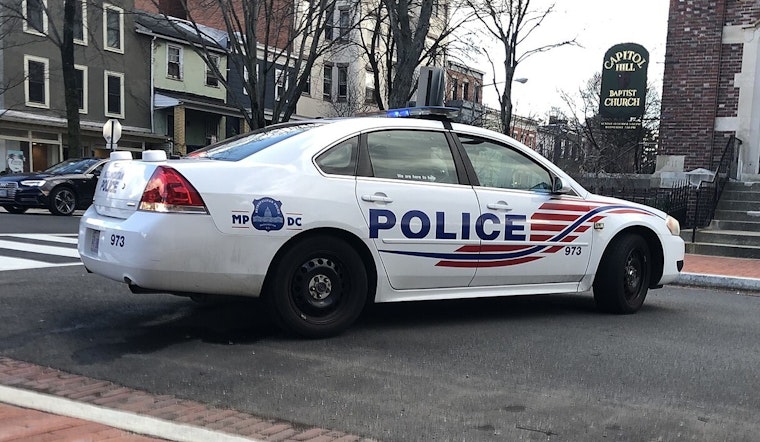
Executive Assistant Chief Andre Wright, the Metropolitan Police Department's second-highest ranking official, has been stripped of his police powers, ordered to turn in his department firearm and badge, and placed on administrative leave, according to multiple law enforcement sources. His wife, Inspector Natasha Wright, a senior human resources official, is also on administrative leave as investigators, in an internal MPD probe of the department's crime reporting practices, have seized Wright's cellphone. It is the most visible personnel shakeup so far in a months-long fight over how the department classifies and reports violent crime.
The development was first reported by NBC4 Washington, which cited multiple law enforcement sources who said Wright was directed to surrender his gun and badge and that material found on his phone helped prompt the leave. The station also reported the department's statement that “MPD cannot comment on active internal investigations and personnel matters.”
Investigation Ties To DOJ And Congress
A Justice Department draft memo circulated in December named Wright among senior officials under review and concluded that the department's crime statistics were “likely unreliable and inaccurate” in part because of misclassifications that investigators linked to what they described as a coercive command environment, as reported by The Washington Post. The House Oversight Committee later released an interim staff report alleging that commanders had been pressured to push publicly reported crime numbers down, ramping up congressional scrutiny of MPD leadership and practices. The Oversight Committee recommended changes and tighter leadership oversight in response to those findings.
Chief's Resignation And Departmental Turmoil
Chief Pamela Smith resigned in December while the federal and congressional reviews were still unfolding, though she has publicly denied that the investigations drove her decision, according to the AP. City officials have continued to highlight steep drops in violent crime over the last two years, even as investigators look at whether some offenses were shifted into categories that do not always show up in public crime tallies.
Why Officers Lose Badges During Probes
Pulling an officer's badge and firearm, and suspending police powers, is a standard step many departments take while internal investigations play out. The idea is to protect public safety, preserve potential evidence, and keep officers under review from exercising operational authority while their conduct is being examined. Municipal police rules and reporting from other departments show that suspensions of police powers and collection of equipment are routine while internal affairs or similar reviews run their course. The Boston Police rules lay out comparable procedures for removing equipment and placing officers on leave during ongoing inquiries.
Who Is Andre Wright
Wright joined MPD in 1994 and worked his way through patrol and investigative roles before becoming executive assistant chief for patrol operations, according to his official biography. MPD's biography highlights his long tenure overseeing several districts and youth and family engagement units. NBC4 Washington and federal documents now place him among the senior officials whose conduct and supervisory decisions sit at the heart of broader data integrity reviews.
Legal Implications
The Justice Department draft memo cast the concerns as problems of data integrity and crime classification, not as specific criminal charges tied to how crimes were counted, The Washington Post reported. That framing leaves room for administrative discipline or personnel changes to move ahead on internal policy grounds while DOJ and congressional fact finding continues, with oversight conclusions still capable of shaping careers, department policy, and any potential legal remedies.
What Comes Next
MPD says it cannot discuss active internal matters while investigators comb through records and materials seized in the probe. For now, Wright's loss of police powers and the seizure of his cellphone mark a high profile moment in the ongoing scrutiny of how the District counts violent crime. More personnel moves, document reviews, and possible policy shifts are likely as federal and congressional inquiries press forward.


