

























































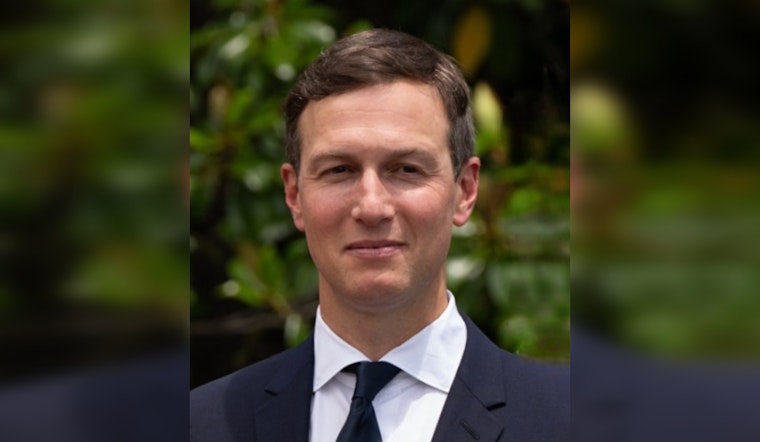
House and Senate Democrats are turning up the pressure on the White House and Jared Kushner’s investment firm after reports that Kushner, while serving as a volunteer Middle East envoy, discussed raising major sums from Gulf governments for his private-equity shop. Top House Oversight Democrat Robert Garcia and Sen. Ron Wyden fired off letters demanding documents and explanations about recent meetings, potential compensation and the safeguards, if any, in place to prevent conflicts of interest. The move escalates a long-running congressional probe into how Kushner’s post-White House business ventures intersect with U.S. foreign policy.
Lawmakers Seek Details About Gulf Talks
As reported by The New York Times, the letters lean on reporting that Kushner and his firm, Affinity Partners, have in recent weeks held discussions with Saudi officials about raising $5 billion or more for the fund. Lawmakers want a paper trail: dates, participants, notes from those conversations, and clarification on whether any payments or reimbursements from foreign governments were connected to Kushner’s role as a U.S. envoy.
Senate Finance Findings Offer Context
In the background is a separate Senate Finance Committee inquiry that has already spotlighted Affinity’s dependence on sovereign wealth money and questioned the firm’s fee structure. Committee materials note a $2 billion commitment from the Saudi Public Investment Fund in June 2021 and warn that guaranteed management fees on billions in capital could create serious conflict-of-interest concerns. In a Senate Finance Committee letter, investigators wrote that the design of those agreements deserves close congressional scrutiny, including whether disclosures required under laws such as the Foreign Agents Registration Act were sufficient.
Affinity And White House Respond
Affinity’s chief legal officer, Ian Brekke, told The New York Times that the firm has only engaged in early-stage talks about additional fundraising and does not plan to accept new capital while Kushner is volunteering for the government. White House spokeswoman Anna Kelly told the outlet that “Mr. Kushner only acts in the best interests of the American public.”
Legal And Ethics Risks Cited By Oversight Officials
Congressional investigators argue that mixing official diplomacy with private fundraising is a risky cocktail, ethically and from a national-security standpoint. Heavy reliance on foreign government cash, they say, can hand outside actors potential leverage over American officials. Wyden’s committee materials contend that the fee arrangements and exclusive foreign backing deserve a hard look to determine whether required disclosures, recusals and other safeguards were properly followed.
Next Steps
The letters demand records and clear explanations, and lawmakers signaled they expect prompt responses as they weigh whether more oversight is needed, including hearings or additional information requests. For now, the White House and Affinity are pushing back on any suggestion of wrongdoing, but the clash is almost certain to keep Kushner’s Gulf fundraising plans under the microscope in Washington in the weeks ahead.





