

























































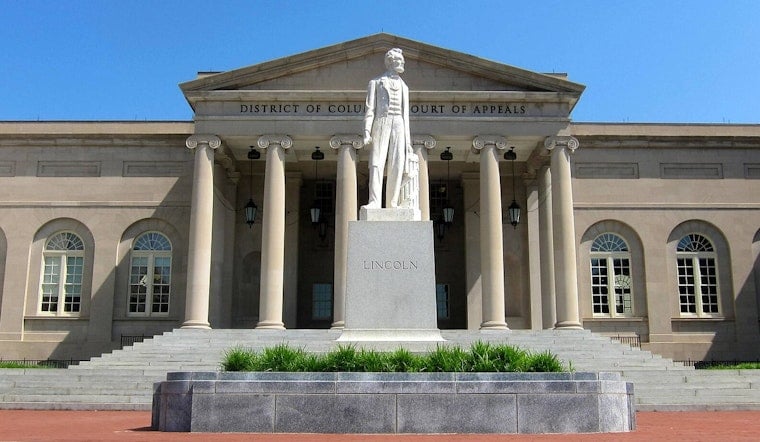
The District of Columbia Court of Appeals on Thursday ruled that the city's ban on firearm magazines holding more than 10 rounds is unconstitutional, wiping out at least one conviction tied to a 2023 arrest and shaking a core piece of D.C.'s gun-control code. The ruling all but guarantees another round of legal maneuvering and forces prosecutors to rethink how they charge certain gun cases.
According to DC News Now, the appellate panel reversed Tyree Benson's conviction for violating the magazine-capacity ban and ordered that counts based solely on that statute be vacated. Benson had been convicted after a 2023 bench trial where police recovered a handgun and a magazine that held more than 10 rounds, and the court's decision removes the specific criminal penalty attached to that provision. The opinion restores parts of Benson's appeal and instructs the lower court to adjust charges that relied on the magazine law.
Court filings show the U.S. Attorney's Office for the District of Columbia had already moved to vacate Benson's magazine conviction on constitutional grounds. The unopposed motion, filed by the U.S. Attorney's Office, states that prosecutors no longer view D.C. Code § 7-2506.01 as constitutionally defensible and asks the court to remand so the government can seek dismissal of that count. The filing casts vacatur as a basic fairness issue when a conviction rests on a law the government now says cannot stand, and it is signed and certified by the U.S. Attorney's Office. Court documents show the government's position.
What the court said
In its opinion, the court described magazines holding more than 10 rounds as "ubiquitous" and estimated that they make up a substantial share of magazines owned by civilians, reasoning that widely used accessories are entitled to Second Amendment protection, DC News Now reports. That analysis tracks the questions lower and appellate courts have been wrestling with since the Supreme Court's recent Second Amendment decisions. The panel stressed that categorical bans on equipment that is commonly owned face heightened constitutional scrutiny under those precedents.
City lawyers plan to fight
The District of Columbia government has continued to defend the magazine cap in past litigation, arguing the limit reduces "augmented firepower" and the risk of mass-casualty shootings; Attorney General Brian Schwalb made similar arguments when the law was challenged previously, the Washington Post reported. Even so, the Department of Justice's shift and the appeals court's new ruling leave city lawyers with a steeper climb if they seek rehearing or further review. Officials now have to decide quickly whether to ask the court to reconsider or to carry the fight to a higher court.
Why this matters beyond D.C.
Judges and lawyers say the decision lands in the middle of a patchwork of circuit rulings on magazine limits: some panels have struck down similar bans while others have upheld them, a split that makes the issue a strong candidate for future Supreme Court review, according to reporting and case files compiled on related appeals, including Justia. The case is formally captioned United States and the District of Columbia v. Tyree Benson, and the immediate legal consequence in D.C. is that the conviction tied to the magazine cap has been vacated and prosecutors say they will not pursue that count going forward. How courts in other jurisdictions handle the same legal question will determine whether this stays a local fight or becomes a national one.
Defense attorneys and gun-rights groups have hailed the decision as a win for Second Amendment rights, while gun-safety advocates warn it could complicate local enforcement efforts. The District and federal prosecutors now face a tight timeline to decide whether to seek rehearing, appeal, or let the appeals court ruling stand, a choice that will shape how D.C. handles similar magazine cases in the months ahead.





