

























































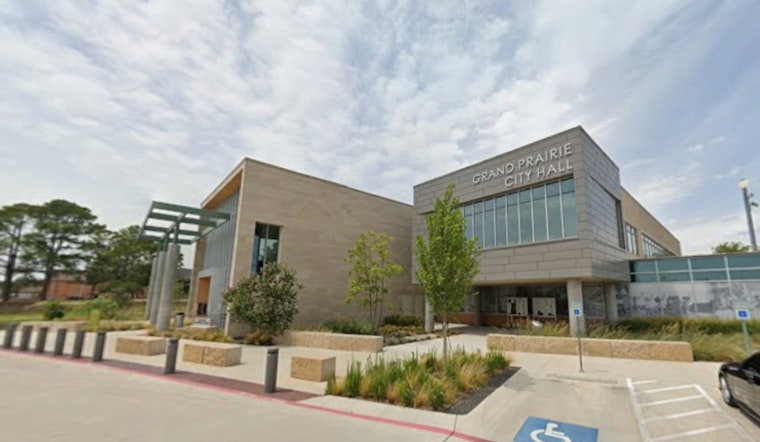
North Texas’ housing boom is not being bankrolled by city hall. Instead, a low-profile financing tool is quietly fronting cash for roads, water and sewers now and sending much of the bill to people who will not move in for years.
Special taxing districts are helping unlock sprawling master-planned communities across the Dallas–Fort Worth area, reshaping where and how the metro grows. From phased annexations in Grand Prairie to whiplash-fast population jumps in Collin County suburbs, this financing shift is changing who pays for the pipes and pavement that turn fields into neighborhoods.
How special districts make new suburbs bankable
Developers are leaning on two main tools: Municipal Utility Districts (MUDs) and Public Improvement Districts (PIDs). These limited-purpose entities exist largely to cover the public infrastructure that cities are reluctant to pay for up front.
MUDs can issue bonds and levy property taxes to fund water, sewer, drainage and roads. PIDs let cities place assessments on properties for streetscapes, parks and other public amenities. Instead of tapping existing taxpayers, the cost is effectively stapled to the new homes being built and paid back over time.
The City of Fate describes this as a pay-as-you-grow model that keeps big upfront infrastructure costs off current residents’ tax rolls while still giving builders a way to finance the work.
Why developers lean on districts
For many builders, this is not a luxury tool, it is the only tool that makes the math work.
“Without districts, large-scale residential development in North Texas isn’t financially viable,” public finance attorney Steve Robinson told the Dallas Business Journal. He said development costs on a single lot can run roughly $100,000, and infrastructure charges in parts of North Dallas can approach $2,000 per front foot. Those kinds of numbers squeeze project pro formas and often force slower, phased buildouts.
In that environment, Robinson told the paper, district-backed bonds are the practical way to push master-planned communities from concept to construction.
Goodland as a case study
Goodland, a roughly 5,000-acre master-planned community tied to Grand Prairie, shows how this plays out on the ground.
City planning materials and local reporting describe a long-term buildout anchored by a planned town center and coordinated agreements between the developer and the city. The project is expected to add tens of thousands of residents and create billions in taxable value over time, while roads, utilities and financing are sequenced through development agreements and phased annexations.
Those annexations have been proceeding in pieces, a strategy that lets the city time services and tax collections around actual construction rather than borrowing heavily in advance. That approach is detailed in Grand Prairie planning documents and coverage from The Real Deal.
Additional specifics on the city’s side of the deal structure, including infrastructure obligations, appear in meeting materials from the City of Grand Prairie.
Demand is straining the region
All of this is happening against a backdrop of rapid population growth that keeps stretching the metro’s edges.
Collin County suburbs have ranked among the nation’s fastest-growing cities. Reporting by FOX 4, citing U.S. Census data, notes that Princeton’s population jumped roughly 30 percent in a single year and has more than doubled since 2020.
The Dallas Morning News has reported similar Census-based surges across other North Texas suburbs, along with Fort Worth’s climb past 1 million residents. That kind of growth widens demand along the exurban fringe and helps explain why builders and landowners are chasing large, bondable projects instead of scattered infill lots.
Put simply, fast growth favors big, phased developments, and districts make those easier for lenders and builders to finance.
Costs, laws and the fiscal catch
There is also a cost squeeze at work behind the scenes.
An analysis of Bureau of Labor Statistics data by Associated Builders & Contractors shows construction input prices have ticked higher, raising the price of materials going into new subdivisions.
At the same time, local officials told the Dallas Business Journal that state property tax reforms have compressed tax rates and limited how quickly municipal revenues can grow. That makes it harder for cities and counties to expand infrastructure networks on their own without leaning on developer-backed financing tools.
The result is a system where much of the upfront tab for roads, pipes and drainage is covered through special districts and repaid over decades by the people who buy into those new neighborhoods.
What it means for homebuyers
For buyers, the tradeoff usually shows up on the tax bill.
Homes inside a MUD or PID typically carry extra assessments or taxes each year that help pay bond debt or fund ongoing maintenance. Municipal guides note that those charges often stay in place until the bonds are paid off, which can take years.
According to the City of Fate, this structure shifts a large share of the near-term cost of streets, water lines and drainage onto new residents, while cities eventually benefit from the expanded tax base and added services once the community is built out.
Planning materials from the City of Grand Prairie reflect the same basic calculation. Districts speed up housing delivery and unlock growth, but they also concentrate the initial fiscal burden inside the very subdivisions that break ground first.





