

























































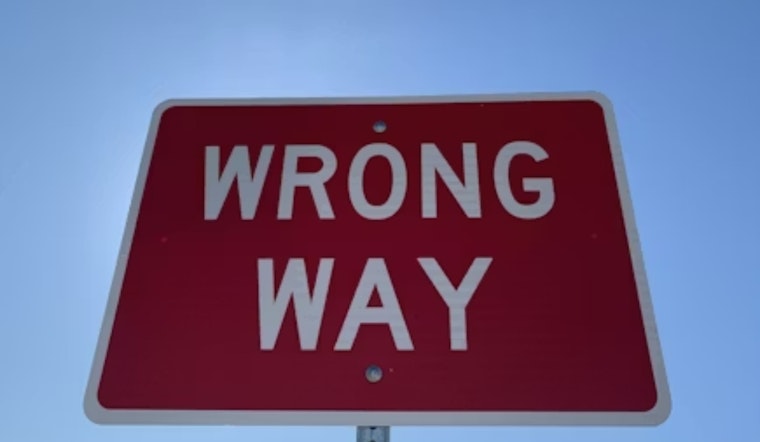
The Michigan Department of Transportation is wiring up Metro Detroit freeway ramps with new flashing "wrong-way" detection gear after a Grand Rapids pilot that officials say sharply cut wrong-way entries and crashes on US-131. The setup combines optic sensors, LED strips wrapped around "Wrong Way" signs and camera units that are being tested at several ramp locations. When a driver turns into a ramp the wrong way, the system is designed to light up, fire off an alert to traffic centers and loop in law enforcement, all in a bid to jolt the driver into turning around and give responders precious extra seconds to prevent a head-on crash.
Those ramp locations - including I-75 at Mack, I-696 at Woodward and I-375 at Larned - along with the testing timetable, were identified in reporting by WXYZ. The station reported the signs are still in the testing phase and should be up and running in a couple of months.
How the detection systems work
MDOT pairs optical sensors and loop detectors with LED-backlit "Wrong Way" and "Do Not Enter" signs so that when a vehicle is detected entering the ramp in the wrong direction, the signs begin flashing and a short camera clip is captured. According to MDOT, those clips are routed to a traffic operations center where staff verifies the incident and, when necessary, notifies Michigan State Police to intercept the vehicle.
Grand Rapids pilot shows big drops
State data from the US-131 pilot show steep declines in the kinds of mistakes that can turn deadly. MDOT officials told Bridge Michigan that the systems produced a 61 percent reduction in drivers entering ramps the wrong way and a 54 percent drop in crashes on that corridor after nearly two dozen detection units were installed starting in 2023. The pilot cost about $200,000 overall, including roughly a $92,000 federal grant, and officials caution that the relatively small number of incidents to begin with can make percentage changes look especially large.
Families push for a faster rollout
For some Metro Detroit families, the math is painfully straightforward: fewer wrong-way entries mean fewer funerals. WXYZ spoke with Pastor Anthony Starks after his cousin, 33-year-old Antonio Reed, was killed when a driver entered the Lodge in the wrong direction near MotorCity Casino in late November 2024. Starks told the station, "Even if it can just help one family, that would be one less funeral, that would be one less empty space at a table."
Where MDOT hopes to install them next
MDOT has been scoping out additional hot spots across southeast Michigan, with potential installations on M-10, I-375, I-75 and I-696 flagged as near-term candidates. Bridge Michigan notes that MDOT officials say wider installation will depend on time and funding, and that the devices are meant to support - not replace - enforcement and public outreach.
National context
Wrong-way crashes do not happen often, but when they do, the results are frequently catastrophic, and national numbers are not perfectly aligned. As outlined by NTSB, a special investigation found an average of roughly 360 fatalities per year in fatal wrong-way crashes. Separate analysis from the AAA Foundation for Traffic Safety put the toll at about 500 deaths per year for 2015 to 2018. The difference in counts highlights the data challenges, but both underline the stakes, and many studies point to alcohol impairment as a leading factor.
Officials say it is one tool among many
State transportation planners emphasize that the flashing hardware is just one piece of a larger safety strategy that also leans on clearer signs, improved pavement markings and coordinated police response. As MDOT has said, the systems are intended to buy time for responders while engineers keep studying longer-term design fixes and the funding needed to expand the effort across the region.





