

























































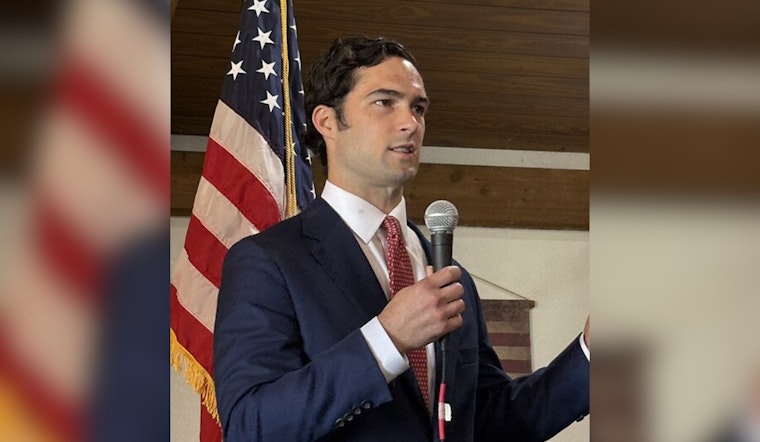
A resurfaced clip of worshippers placing offerings into a Denton-area pond, paired with a matching post from U.S. Rep. Brandon Gill, has kicked off a heated online fight over culture, public parks and what belongs in local waterways. The post, and the video that traveled with it, quickly pulled event organizers, residents and outside commentators into an argument over whether communal religious rituals should play out in public ponds at all.
What the video shows and who organized it
The clip shows people kneeling in shallow water and placing small offerings in a pond, a scene that was widely shared on X before the controversy erupted. Denton deputy director of marketing and communications Kayla Herrod told The Dallas Express that the gathering was a permitted event at the south pond of North Lakes Park and that parks staff met with organizers in advance to go over cleanup expectations.
Organizers list an annual Chhath Puja on their calendar for Oct. 27–28, 2025, at North Lakes Park and describe the ritual as a traditional four-day sun-worship celebration, according to the DFW Chhath Pooja & Cultural Center event listing. The group’s event page shows the community has put on similar ceremonies in the North Texas area in recent years.
Gill’s post and the online reaction
The response was immediate and mixed. Some users echoed environmental worries about leaving offerings in recreational water, while others blasted Gill’s wording as xenophobic and hypocritical. Coverage of the backlash noted critics pointing to Gill’s family ties and to residents who defended the ritual as a legitimate cultural practice. Wider reporting on those reactions is collected by Moneycontrol.
Legal and environmental frame
Texas law treats unauthorized dumping or disposal into public waters as an offense, and the state operates a system that funnels illegal-dumping complaints to local enforcement, as outlined by the Texas Commission on Environmental Quality. The region relies on state statute and local ordinances, including provisions that come from the Texas Litter Abatement Act, when officials decide what counts as a permitted, low-impact religious ritual versus unlawful disposal.
TCEQ explains how its “Don’t Mess With Texas Water” reporting program functions, and regional guidance on how agencies coordinate illegal-dumping enforcement is summarized in North Central Texas Council of Governments materials.
Community response and broader context
Members of the local Hindu and Indian American community told reporters they regard Chhath Puja as a solemn, centuries-old act of worship and rejected claims that the small offerings involved in the ritual cause substantial ecological damage, according to The Dallas Express. Organizers say participants typically retrieve or otherwise properly handle offerings and that parks staff had cleanup plans linked to the permitted event.
The local tension is unfolding against a larger backdrop of demographic change and policy debate. Pew Research Center estimates that Texas is home to one of the country’s largest Indian-origin populations, and U.S. Citizenship and Immigration Services data indicate that Indian nationals made up roughly 72% of approved H-1B beneficiaries in FY2023, figures that national observers have cited when parsing public sentiment and political rhetoric. See Pew Research and the USCIS FY2023 H-1B characteristics report for the underlying data.
For now, the video continues to circulate online, and Denton parks officials say permitted events are required to follow the city’s cleanup conditions. Beyond the social media flare-up, the episode highlights how routine cultural observances can run into local rules and national political talking points. People on both sides of the argument have pointed to the same potential fixes: clearer, upfront guidance from parks officials and more consistent public messaging about what is and is not allowed in public waterways.



