

























































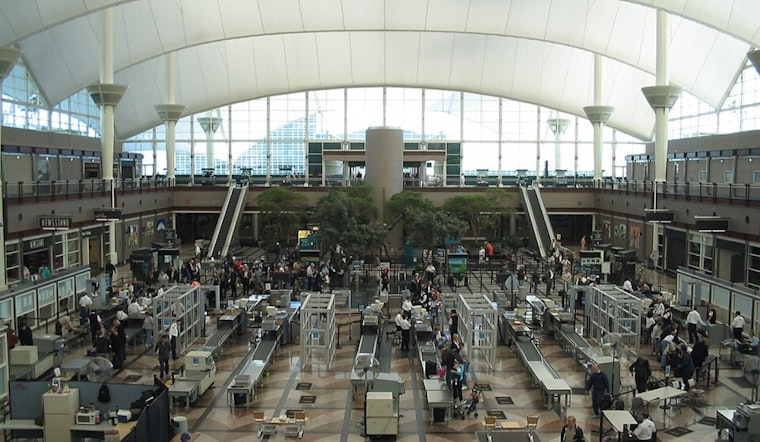
One infectious traveler moving through Denver International Airport on May 13–14, 2025, is now linked to 17 measles cases in several states, according to a new peer‑reviewed analysis. The cluster, which includes both secondary and tertiary infections tied to flights and time spent in the terminal, is a stark reminder of how fast measles can rip through a packed travel hub.
A study published Feb. 27 in The Journal of Infectious Diseases found that aircraft contact tracing identified 135 potentially exposed domestic travelers. Investigators ultimately connected 15 secondary measles cases and two tertiary cases to the original patient. According to the analysis, five of the secondary infections were linked to the international arrival flight, three to a later domestic flight, and seven to people who crossed paths in the Denver terminal. Five of those secondary patients had documentation of at least one prior measles vaccination.
Flights and Airport Transit Tracked Case by Case
The Morbidity and Mortality Weekly Report from CDC detailed nine secondary and one tertiary case among Colorado residents and noted seven additional cases reported in other jurisdictions. The report walks through how public‑health teams leaned on airline manifests and Health Alert Network notices to find and notify possible contacts. After several infections were tied to the same international flight, Colorado investigators asked for expanded passenger lists to tighten the net.
Where Exposures Happened and Who Got Sick
The Journal of Infectious Diseases analysis breaks down the exposure settings in more granular detail. Five secondary infections were traced to the May 13 international flight, three to a domestic flight the next day, and seven to time spent in the airport terminal or on a specific concourse. State health officials said local teams ultimately identified about 1,400 contacts in Colorado and repeatedly reached out to assess immunity and offer post‑exposure options, according to the Colorado Department of Public Health and Environment.
Testing Quirks and the Airborne Wild Card
Investigators reported that urine RT‑PCR testing detected infections in some vaccinated patients whose nasopharyngeal swabs were negative, a finding highlighted in The Journal of Infectious Diseases after also being noted in a CDC report. Public‑health guidance stresses that the measles virus can hang in the air and remain infectious for up to two hours after an infected person leaves, which helps explain how a single traveler can create exposures in terminals and concourses. That airborne risk is underscored in both the Morbidity and Mortality Weekly Report and the CDC.
How Colorado Responded on the Ground
State and local health agencies shared passenger contact lists with county public‑health departments, pushed health‑alert messages to clinicians, and coordinated vaccination and other post‑exposure prophylaxis for people without evidence of immunity, according to state officials. Local reporting shows that county and community clinics were quickly mobilized to reach travelers and airport workers after alerts went out, with church pop-up clinics helping bring vaccines to residents where they already gather, as per Hoodline.
Why the Denver Cluster Matters Beyond Colorado
This Denver‑linked cluster is unfolding as measles cases nationally have surged. By Feb. 26, 2026, trackers and health reports tallied more than 1,100 confirmed U.S. cases, a pace that officials say is being driven by immunity gaps and travel‑related importations. In that context, health departments are leaning hard on messages about up‑to‑date MMR vaccination for travelers and the need for rapid contact tracing once an exposure is identified, according to Contagion.
Anyone who was at Denver International Airport on May 13–14, or who traveled internationally around the same time and now has symptoms such as fever, cough, or rash, is urged to check vaccination records and call a health care provider before showing up in person. Public‑health officials say unvaccinated people who were exposed should talk with a provider about MMR vaccination or other post‑exposure options, and travelers with fever or respiratory symptoms are being advised to delay trips so they do not accidentally seed the next cluster.





