

























































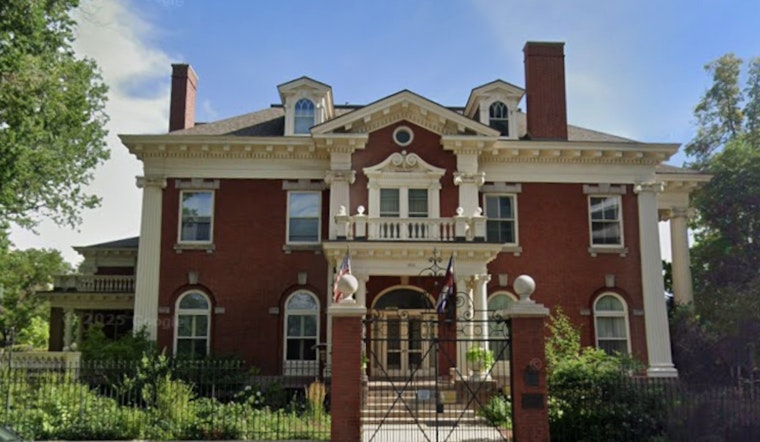
The asphalt expanse across from Denver's Boettcher Mansion looks like a simple half-acre parking lot, but the state is quietly lining it up for a major role in the city’s housing story. New plan documents and public filings show Colorado is preparing to swap those parking spaces for a mixed-income apartment building that would lean on public financing to reach deeper levels of affordability. The concept keeps dedicated parking for the governor’s residence, sends ground-lease revenue into the mansion’s maintenance fund, and all but guarantees scrutiny from neighbors and preservation hawks as it moves from sketch to signed lease and full financing.
What the plans say about funding and units
According to reporting by Denver Business Journal, new filings indicate the developer intends to chase state housing dollars and other public subsidies to help cover a portion of the apartments. That strategy lines up with state requirements already on the books: a March 2022 memo from the Legislative Council Staff calls for at least 20% of units to be affordable to households earning 80% of the area median income, and for 28 parking spaces to remain reserved for the Governor’s Residence.
Who’s proposed to build it
Colorado’s Public-Private Partnership (P3) office has steered the project toward modular construction, and BusinessDen reported that the state selected Adam Berger Development last year to lead a roughly six-story, roughly 70-unit modular building on the site. Berger has said he expects to stitch together private capital, tax credits and some public financing, and that the P3 office may cover part of the early design work while the long-term ground lease and full financing package are negotiated.
Neighborhood rules and design limits
The lot sits on Capitol Hill across from the Boettcher Mansion and is zoned G-MU-8, which allows buildings up to eight stories. Denver development incentives could push that height even higher, Denverite reported. State documents add a few catches: the project must address security concerns tied to the governor’s residence, respect the surrounding historic-district context, and funnel a share of ground-lease revenue back into the mansion’s maintenance fund, which helps cover the residence’s costs without tapping the general fund.
Timeline and the next steps
Negotiations over a 99-year ground lease, site planning and financing are still in progress, and the Denver Business Journal reports that the filings show the team lining up state awards and tax credits that would be crucial to making the numbers work. If the financing stack comes together, the P3 office has indicated it hopes to move into a formal lease and permitting phase in the coming year, with a potential groundbreaking after those pieces are locked in.
Legal and policy frame
A 2021 state law, HB 21-1274, created the Unused State-Owned Real Property process, which directs the Department of Personnel & Administration to inventory and pursue beneficial uses for underused state land, including affordable housing, and to route proposals through the Capital Development Committee, according to the Colorado General Assembly’s bill page. That framework gives the state clear tools to repurpose its own parcels for housing even where local rules might otherwise complicate things, although state officials still weigh security, preservation and community impacts as part of their review.
Between the design work, the neighborhood hand-wringing that tends to follow high-profile projects, and the scramble for limited state housing dollars, the governor’s-mansion lot is shaping up as one of the more closely watched sites in Denver’s next development cycle. For anyone tracking whether state-owned land can actually deliver meaningful numbers of below-market units, the coming months will show whether public financing can make this particular plan pencil out.




