

























































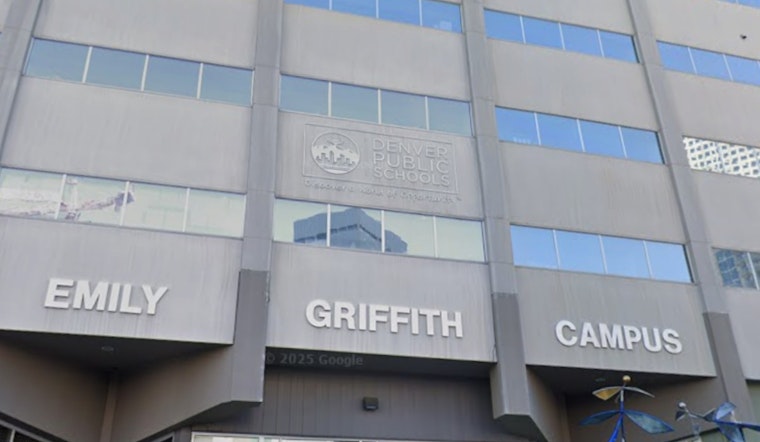
Denver Public Schools is moving to put a hard line between federal immigration agents and its students. On Thursday, the district's board of education voted unanimously to advance an amendment that would declare all DPS property "Safe Zones," blocking immigration agents from interacting with students or staff unless they show up with a judicial warrant. The measure now heads to a second reading, the next step in a three-vote process before it can become official policy. Much of the board's debate centered on whether those protections should stretch to bus stops and school transportation, not just brick-and-mortar campuses.
What the amendment would do
The Denver Gazette reported that the draft amendment would bar Immigration and Customs Enforcement from entering school property without a judge's signature, prohibit the district from honoring ICE detainer requests, and block the collection or sharing of students' immigration information with federal officials. The proposal would also restrict School Resource Officers from issuing citations or making arrests that could expose students to deportation, and it would ask partner agencies, including the Denver Police Department, to follow the district's new rules.
Why the warrant question matters
The Associated Press obtained an internal ICE memo stating that administrative warrants, known as I-205 forms, can be used to arrest individuals at their residences and, in some cases, to use force to enter a home. Civil-rights groups argue that the May 12, 2025, directive clashes with Fourth Amendment protections. That memo is a key reason Denver board members want to require judicial warrants before federal agents can interact with students or staff on district property.
Board confusion over who signs warrants
When the board dug into the legal fine print, the conversation got murky. Colorado Politics reported that General Counsel Aaron Thompson told directors the policy "sets a floor, it doesn't set a ceiling," but he stumbled when pressed on who is actually authorized to sign an administrative immigration warrant. That tense back-and-forth highlighted why the draft language would put Thompson's office in charge of verifying warrant validity and why some board members warned that the new rules could bring legal headaches and operational complications.
Advocates push for board-level protections
Chalkbeat reports that advocates, including Movimiento Poder and the Latino Education Coalition, helped craft the proposal and argue that a board-adopted policy is harder to undo than guidance issued by a superintendent. The district already has administrative directives and legal actions on the books, including a temporary restraining order filed last year, that are intended to keep schools safe and welcoming, according to Denver Public Schools.
Legal implications
The Associated Press noted that the ICE memo says administrative warrants can sometimes authorize forced entry, a power that alarms civil-rights attorneys. Local rules make the picture even more tangled. Colorado has restrictions on sharing immigration information, and the draft policy's limits on cooperation with detainer requests could expose the district to civil fines or lawsuits, Colorado Politics reported.
What's next
The board advanced the amendment on March 19, 2026, and it still needs two more yes votes before it can take effect, according to The Denver Gazette. Community groups say they plan to keep pressing the board to explicitly cover bus stops and transportation in the Safe Zones protections, and legal observers expect continued debate, along with the possibility of court challenges, if the final policy hinges on judicial warrants.





