

























































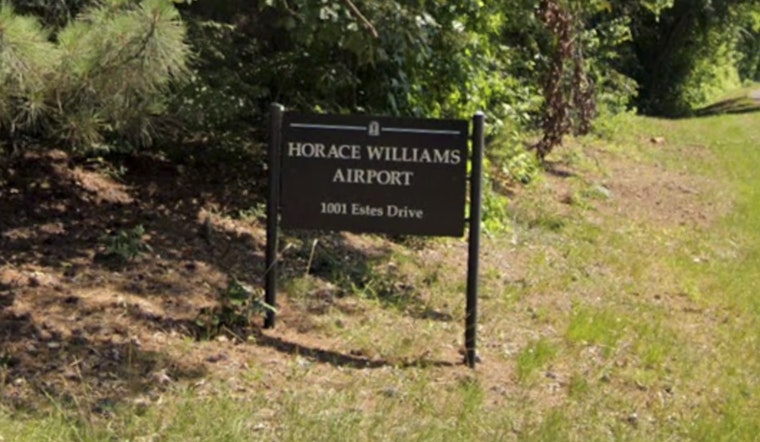
The scramble is officially on at the old Horace Williams Airport site. Design and engineering firms are lining up for a shot at Carolina North, the long planned UNC expansion in Chapel Hill, and a university official says competition for the contracts is running hot. With teams shifting from casual curiosity to formal proposals, the project is entering a new phase of master planning and infrastructure design. How those early picks shake out will help decide whether the 230 plus acre buildout leans heavily into labs and housing or grows into a broader mixed use district over the next two decades.
Procurement heats up
According to the Triangle Business Journal, UNC has issued a request for qualifications aimed at design and engineering teams, and interest has been described as "intense." Firms are already forming teams and weighing partnership strategies to keep up with a fast moving timetable. The RFQ listing cited in the report includes a July 28, 2026 event date tied to submissions and pre proposal activity, signaling that the window to get in the door will not stay open long.
Board backs planning money
Chancellor Lee Roberts and the UNC Board of Trustees have shifted Carolina North from a study topic to a funded plan. The Board approved up to $8 million in trust funds for initial planning and consultants, according to The Assembly. That reporting notes that UNC expects to develop roughly 230 acres within the cleared airport footprint, while leaving much of the surrounding Carolina North forest untouched. Trustees were told the money will cover master planning, infrastructure design, and the technical studies needed to set a Phase One budget.
What Phase One would include
Public radio partner WUNC reports that the early vision for Carolina North is a "live, work, play, learn" first phase. The mix on the table includes modern lab buildings, retail, a hotel, and more than 2,000 undergraduate beds, with university leaders eyeing a summer 2027 groundbreaking. UNC is pitching the project as both a way to expand STEM capacity and a pressure valve for student housing in a region struggling with affordability. Town and university planners also expect the site to be tied back to main campus by a planned bus rapid transit route.
Why firms are chasing the work
Local coverage has underscored the sheer size of Carolina North, a multi decade buildout of labs, housing, utilities, and streets that could keep design and engineering teams busy for years, WRAL reports. That kind of long runway helps explain why firms are banding together in larger consortia and why the RFQ language was written broadly. Early master planning roles are seen as crucial, gateway assignments that can open the door to follow on work for years to come, the Triangle Business Journal reported.
Neighbors weigh in
While firms mobilize, residents and alumni are drawing their own lines in the sand, especially around any scenario that would move the men's basketball arena off south campus. Petitions and fan made videos are circulating in defense of the Dean E. Smith Center, with petitions and videos aimed at keeping the Dean E. Smith Center’s identity intact, according to Hoodline. Other local coverage has highlighted concerns about traffic, possible tree loss, and what might happen to the informal trail network that threads through the Carolina North forest. University leaders say they plan to convene advisory committees and community meetings as part of the planning process. Officials told trustees that the work will include studies and protections where possible, although the specifics will depend on consultant recommendations and public feedback.
Next up, UNC will review statements of qualification, assemble consultant teams for master planning and infrastructure design, and roll out additional solicitations as studies and budgets take shape, The Assembly reports. For Chapel Hill, the shift into active procurement means local design shops and national engineering heavyweights will be watching deadlines and pre proposal events closely. The process is likely to reveal whether Carolina North plays out as a cautious, step by step expansion or a faster, market driven district that significantly reshapes the northern edge of campus.




