

























































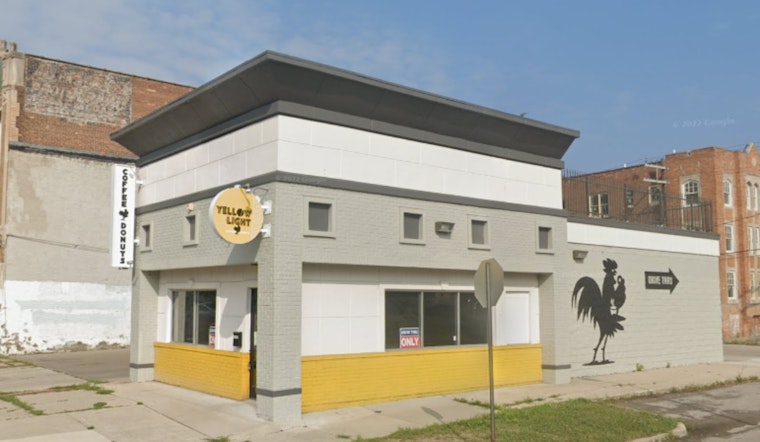
Yellow Light Coffee & Donuts turned Detroit’s skyline into a snack run, sending boxes of glazed treats across the city by drone in a flashy tech demo that also doubled as a serious test of urban delivery. The drones lifted off from the Newlab rooftop inside Michigan Central, cruised out to construction crews along the riverfront, then made a VIP stop at Hart Plaza for the mayor. Organizers cast the whole thing as equal parts marketing spectacle and practical beyond visual line of sight test for city drone operations.
How the Dronut Drop Worked
The flights launched from Newlab’s rooftop and hit sites including Hart Plaza and Ralph C. Wilson Jr. Park, covering more than two miles in what organizers described as the campus’s longest drone delivery to date. According to Michigan Central, the route relied on Aerialoop’s cargo drones and Airspace Link’s digital airspace tools to map, plan and monitor the corridor. The drop was folded into Drone Day programming, meant to show how Michigan Central’s Advanced Aerial Innovation Region can support middle-mile logistics tests, not just headline-grabbing food runs.
Brand Ploy Meets Real-World Test
Yellow Light, which moved into Michigan Central last year as the station’s first food-and-beverage tenant, supplied the pastries and used the event to spotlight a limited-edition "Detroit Depot" blend. The shop also rolled out what it billed as the world’s largest scratch-and-sniff billboard, according to LBBOnline. The citywide "Dronuts™" drop was timed for National Donut Day, pulling double duty as a promo for the new Station location and a working demonstration of the delivery tech.
The Tech Behind The Treats
Aerialoop operated the flight as part of an Advanced Aerial Innovation Region pilot that already runs a one-mile round trip between Newlab and a nearby production site, Michigan Central said. The company has logged hundreds of flights on the route, and the site’s beyond visual line of sight setup, which includes Airspace Link’s AirHub system, helped secure FAA approval for the longer riverfront run. Organizers framed the doughnut flights as a tidy retail proof of concept layered on top of a broader middle-mile testing program.
Officials, Students and Operators
Local coverage reported that dozens of students and city officials turned out to watch, as operators walked them through how the route was designed, managed and monitored from the ground. Matt Whitaker, Michigan Central’s mobility director, told FOX 2 Detroit that recent beyond visual line of sight approvals opened the door for the longer riverfront leg and showed what scalable operations could look like. Aerialoop leaders highlighted the company’s safety systems and the hands-on training pipeline that produced the pilot behind the demo flight, according to local reporting.
Why It Matters
The stunt also came with a workforce subplot. Tech Brew reported that the pilot for the extended delivery route was an 18-year-old graduate of Michigan Central’s training programs, a detail organizers cited as proof that these projects can build local jobs rather than import talent. For companies and civic leaders, highly visible runs like this are a convenient way to build public trust, showcase safety practices and make the case for broader urban uses that go well beyond novelty donut drops.
Safety And Regulation
Regulation remains the main gatekeeper. Axios noted that the flights depended on FAA permissions and Advanced Aerial Innovation Region infrastructure to coordinate and monitor airspace for beyond visual line of sight operations. Organizers argue that this mix of digital airspace tools, ground-based sensors and formal waivers is the playbook required before these narrow test corridors can evolve from occasional demos into everyday services.
For Yellow Light, the Dronuts stunt delivered headlines and foot traffic. For Michigan Central and its partners, it produced one more data point in the push to turn the area into an urban drone testbed. The sugary hook got people watching, but what comes next will hinge on regulators, neighborhood buy-in and whether these pilots can be repeated at scale, according to LBBOnline.




