

























































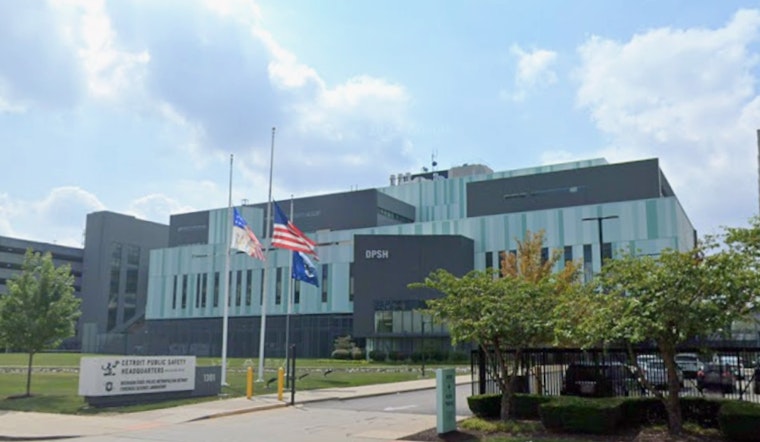
Detroit Police Department records, now public, paint a stark picture of how a family living in a van inside the Greektown casino garage slipped past the safety net. The documents say the mother of 9-year-old Darnell Currie Jr. and 2-year-old A'millah Currie did not reach out to her children's school or to state child-welfare officials for help in the months before both children were found unresponsive on Feb. 10, 2025. Autopsies later determined they died from carbon-monoxide exposure. Taken together, the police file and related records outline missed calls, failed follow-ups and outreach attempts that city officials say exposed real gaps in how agencies track families living in vehicles.
What the DPD report says
According to a Detroit Police report obtained by The Detroit News, investigators wrote that the children's mother, identified as 29-year-old Tateona Williams, never contacted the Detroit school district's social-services unit and did not get in touch with the Michigan Department of Health and Human Services specialist who had already been assigned to her family.
The report also says staff at Ralph J. Bunche Elementary documented 26 absences for the siblings starting in September 2024. Separately, shelter intake workers who initially offered the family temporary housing in December 2023 were unable to connect with them afterward, according to the same records.
What investigators found at the scene
The Wayne County Prosecutor's Office says tests run after law enforcement seized the family's 2010 Chrysler Town & Country detected a carbon-monoxide leak within minutes of restarting the van with a new battery. Wayne County's medical examiner later certified carbon-monoxide toxicity as the cause of death.
Wayne County Prosecutor's Office materials and local reporting describe the van, which the family had been living in, as unsanitary, with trash and other hazards inside. Those scene details, combined with surveillance footage from the Greektown garage and interviews with witnesses and family, formed the backbone of a months-long review of the case after the February 2025 deaths.
Prosecutor's review
After examining surveillance video, interviews, phone data and forensic testing, Wayne County Prosecutor Kym Worthy's office concluded there was not enough evidence to file criminal charges against Williams. In its public statement, the office wrote, "There will be no criminal charges in this case," while also stressing that officials remained "very concerned about the welfare of the remaining living children."
The Wayne County Prosecutor's Office released lists the evidence reviewed as part of the warrant request and outlines how prosecutors reached the decision not to charge.
Officials say the case exposed gaps
City officials have repeatedly pointed to prior contact attempts as evidence that, in bureaucratic terms, the family was on the radar but never truly engaged. Mayor Mike Duggan has said Williams called the city's housing hotline in November 2024, but the case did not receive an in-person visit. That breakdown helped prompt a set of promised reforms, including a 24-hour housing hotline and mandatory in-person checks for families facing imminent loss of housing.
Those mayoral steps and the final autopsy findings were reported after investigators confirmed the cause of death, as detailed by the Associated Press. Separate local coverage tracked outreach workers who tried to reach the family after the initial shelter contact. BridgeDetroit reports that caseworkers made several attempts to contact Williams following the December 2023 shelter offer but were unable to connect.
Advocates respond and aid for survivors
Advocates for people experiencing homelessness say the case has become a grim example of what happens when overburdened systems, patchy communication and families in crisis collide. They argue the deaths highlight long-standing resource shortages and the need for clearer rules that require faster escalation whenever children are involved.
Community groups and local organizations eventually helped move the surviving children into relatives' care and secure housing assistance, efforts described in reporting that included interviews with aid workers and Williams. People and local outlets followed the family's attempts to get back on their feet and the broader community response after the tragedy.
The newly released DPD documents add more detail to a timeline that investigators, service providers and advocates say now needs to double as a policy roadmap. Officials say they are still reviewing protocols, and advocates continue to push for quicker, mandatory checks whenever reports surface of children living in vehicles, so that this kind of story does not repeat itself in another Detroit parking garage.





