

























































At just 24, Chantez "CJ" Sanford is quietly making Michigan medical history. He is the first person in the state to receive LYFGENIA, a one-time gene therapy designed to keep the red blood cells that cause sickle cell disease from twisting into the painful, damaging shapes that have dominated his life.
Sanford, who was diagnosed with sickle cell disease as an infant and relied on monthly blood transfusions for years, said he lost a sister to complications from the illness when she was 20. After receiving the treatment in December 2025, he told clinicians he is already feeling healthier. Hospital teams say they will keep a close eye on him in the coming months and years as the engineered stem cells engraft and as doctors track how durable the therapy’s effects turn out to be.
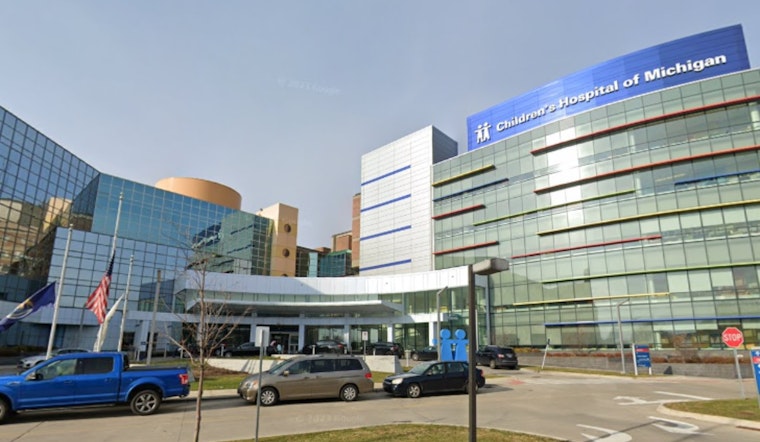
As reported by FOX 2 Detroit, Sanford traveled from Georgia to the Children’s Hospital of Michigan in December 2025 to receive the Lyfgenia transfusion. Dr. Sureyya Savasan told the station, "CJ is one of the best so far, in my experience, he did really well," and clinicians said they expect the modified stem cells to expand and gradually replace his sickled cells. The hospital noted that Sanford had come there for monthly blood transfusions as a child and that he will remain under long-term monitoring as part of the gene-therapy program.
What Lyfgenia Does
Lyfgenia (lovotibeglogene autotemcel) is what doctors call an autologous ex vivo lentiviral gene therapy. In plain terms, clinicians collect a patient’s own hematopoietic stem cells, add a working β-globin gene in the lab, then return those engineered cells so the body can make adult hemoglobin that is far more resistant to sickling.
The Food and Drug Administration approved Lyfgenia on December 8, 2023, for patients 12 and older who have a history of vaso-occlusive events, the painful crises that often land sickle cell patients in the hospital. Federal regulators also spelled out strict safety monitoring and long-term follow-up requirements. Because the treatment involves stem cell collection and myeloablative conditioning chemotherapy before the engineered cells are infused, clinicians emphasize both the potentially transformative benefits and the significant upfront risks that patients must be prepared to accept.
How Michigan Is Making It Available
To help get Lyfgenia to people who qualify, Bluebird Bio announced an outcomes-based agreement with Michigan Medicaid. The deal is designed to expand access to the high-cost, one-time therapy for eligible patients, a policy move that company representatives and patient advocates describe as essential if gene therapies are ever going to reach the people who need them most.
The Michigan Department of Health and Human Services has also published prior-authorization and coverage criteria that lay out the clinical qualifications and administrative steps required for Lyfgenia treatment in the state. Taken together, those payer agreements and coverage rules opened the door for a local transplant center to offer the therapy in Michigan, so patients do not have to travel out of state for care.
Local Capacity Built In Detroit
Children’s Hospital of Michigan has been quietly building up its transplant and cell-therapy muscle in recent years, including a rollout that detailed the state’s first gene therapy program for beta thalassemia in Detroit last fall. The hospital’s directory lists Dr. Sureyya Savasan as director of the transplant and cell therapy program, and staff says multiple patients are already moving through insurance approvals and pre-treatment workups, per Hoodline.
That buildout is not just a prestige project. It is the infrastructure that makes complicated, one-time treatments like Lyfgenia possible for Michigan residents, allowing patients to stay closer to home rather than chase cutting-edge care across the country.
What Patients Should Know
Clinicians stress that Lyfgenia is not a quick outpatient fix. It is an intensive medical journey that involves harvesting a patient’s stem cells, administering high-dose conditioning chemotherapy, and then infusing the engineered cells back into the bloodstream. Along the way, patients face real risks, including infertility and a rare risk of hematologic malignancy that was flagged at the time of approval and that requires careful, long-term surveillance by regulators and treating teams.
The FDA requires extended safety follow-up for anyone who receives Lyfgenia, and Bluebird has said that outcomes-based pricing and multi-year monitoring will be baked into how the therapy is delivered and reimbursed. For patients like Sanford, early signals can be deeply encouraging, yet specialists caution that it will take years of follow-up to know whether the benefits hold up over time and whether this one-time treatment can truly act as a functional cure.



