

























































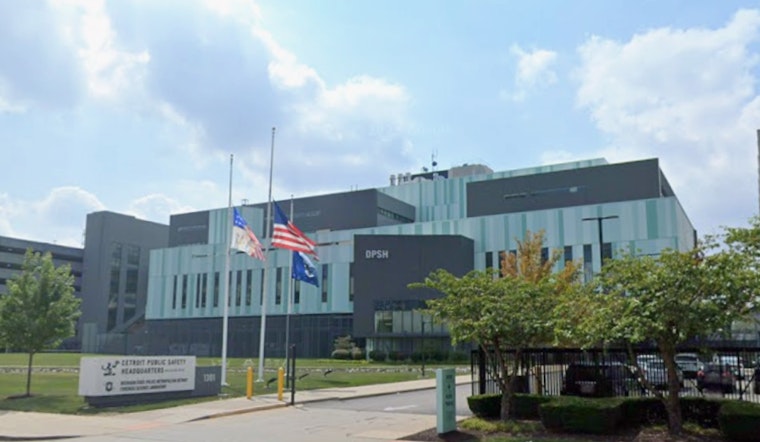
Detroit’s network of ShotSpotter gunshot detection microphones, which has already cost the city roughly $7 million, is headed for a June showdown at City Council. With a renewal vote looming, new performance numbers are fueling a sharp fight over whether the SoundThinking system is a smart public safety tool or an expensive gadget with thin results. Police brass say the alerts help them find crime scenes and evidence faster; critics say the data show a lot of noise for very little payoff, and they want independent proof before the city signs on for more.
Company data show limited on-the-ground outcomes
According to Michigan Advance, SoundThinking reported that Detroit officers responded to 24,225 ShotSpotter-triggered incidents between 2024 and 2025. Shell casings were recovered in just over 12% of those incidents, and witnesses were located in only about 2%. Aid was rendered to a victim in fewer than 1% of cases, a pattern civil-rights lawyers argue cuts against the program’s big public safety promises. “Not only embarrassingly low for such an expensive technology,” is how ACLU of Michigan attorney Ramis Wadood put it to the outlet, as national police accountability groups continue to push the city for clearer case-status data.
Police call it an investigative lead
Detroit police officials answer that critics are expecting the wrong thing from the system. ShotSpotter is not meant to solve crimes on its own, they say, but to act as a fast investigative lead that sends officers and forensic teams to gunfire scenes they might otherwise miss, according to BridgeDetroit. Department leaders point to internal scorecards and the recovery of shell casings as signs the system helps their work, and DPD says confirmed alerts are treated as priority-one runs. Casings collected after those alert-driven canvasses can then be entered into the National Integrated Ballistic Information Network, which police use to link shootings that may be connected across the city.
Response-time numbers complicate the claim
When you dig into response times, the picture gets murkier. Analyses of city data and weekly ShotSpotter reports show a split between average and median response metrics. Averages used in some summaries come out to about 12 minutes for 911 calls reporting gunfire and just over 39 minutes for ShotSpotter alerts. Medians tell a different story, narrowing to roughly 7.6 minutes for 911 calls and 6.9 minutes for ShotSpotter alerts, which highlights how a handful of very slow responses can stretch the averages. Those calculations and the context behind them were detailed by Michigan Advance, using the publicly available “Police Serviced 911 Calls” dataset from the City of Detroit’s open-data portal. Whether that modest median edge is enough to justify a multimillion-dollar contract now sits at the center of the renewal fight.
What other cities found
Detroit is hardly the first city to wrestle with this technology. In 2021, Chicago’s Office of Inspector General found that only about 9% of ShotSpotter alerts there led police to evidence of a gun-related offense. That watchdog report, along with other outside studies, is regularly cited by activists who argue Detroit should not rely on company talking points. They want independent audits and a harder look at whether the same money could do more if invested in community-based violence prevention.
Legal and oversight implications
The program has already been knocked in court. A Michigan Court of Appeals ruling found that Detroit violated its own surveillance-oversight rules when it extended and expanded ShotSpotter without providing timely public reporting. That decision has energized calls for stricter disclosure before any new deal is approved. Civil-society groups and members of the Board of Police Commissioners are pressing for the quarterly case-status reports and other data the department is supposed to produce, arguing that meaningful public oversight is impossible without regular, detailed information about how the system is used and what it delivers.
What to expect before the vote
With the June renewal deadline approaching, council members and residents still have a short window to demand audits, clearer performance benchmarks, and more transparent reporting from both DPD and SoundThinking, according to Governing. Community groups, including the Detroit Justice Center and allied civil-rights organizations, are already gearing up for public-comment pushes and budget-hearing pressure, hoping to steer dollars away from surveillance tech and toward programs that aim to prevent violence before shots are ever fired.
Whatever the City Council decides in June, the vote will double as a referendum on how Detroit wants to balance technology, transparency, and public safety. If city leaders want residents’ trust, they will need to show clear, independently verifiable results from ShotSpotter, or be prepared to spend that money on alternatives that promise to make neighborhoods safer without the microphones listening overhead.





