

























































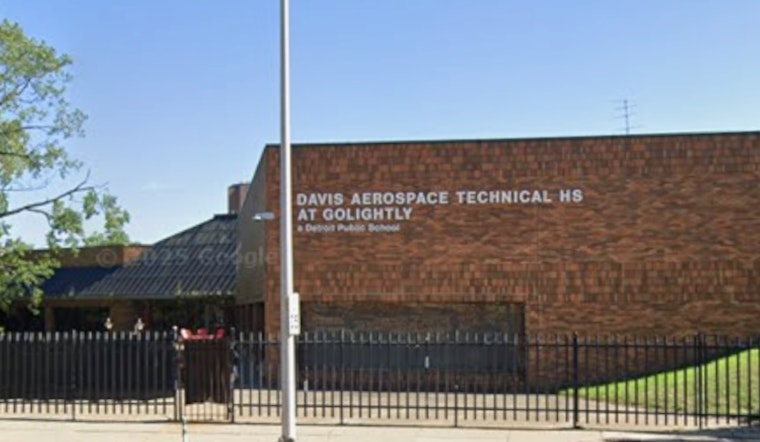
Detroit teens at Davis Aerospace Technical High School are about to get something aviation students across the country would envy: a short walk from class to the runway at Coleman A. Young International Airport. The school is preparing to move back onto the airfield, giving students everyday access to aircraft, simulators and hands-on flight training. Many are already earning FAA drone certificates and logging simulator and flight hours, and school leaders say the on-airport campus will turn that early exposure into direct pathways to pilot and aircraft maintenance careers. For seniors like Caiyla Turner, the program has already shifted aviation from a curiosity to a concrete goal in engineering and flight.
State Money And A Homecoming Plan
The move is backed by a state school-aid appropriation of up to $7 million to cover relocation costs, according to the Michigan Legislature. District leaders and the DPSCD Foundation say additional district and philanthropic support will pay for renovating a 53,000-square-foot terminal into classrooms, labs and aviation training bays, as reported by BridgeDetroit. For Davis, which had been pushed off the airport years ago, the plan is being treated as a long-awaited homecoming.
Simulators, Drones And Real Flight Hours
Students at Davis already earn FAA remote-pilot certificates, train on full-motion flight simulators and, in several cases, have passed the written private-pilot exam, according to Chalkbeat. A separate interview on Daily Detroit with the school principal and the DPSCD Foundation CEO confirms the program owns training aircraft and regularly pairs simulator time with instructor-led flight hours. Daily Detroit also reports that students train in Cessna aircraft and log real flight time as part of their path to aviation credentials.
Why It Matters For Women And The City
Women remain a small fraction of certified pilots and maintenance technicians, which educators say makes early, low-cost access to aviation especially critical if the field is ever going to diversify. Official FAA civil-airmen numbers back that up. According to FAA Civil Airmen Statistics, female representation is low at nearly every certification level. Program leaders and students argue that putting the high school back on the airport lets young women see mechanics, instructors and pilots working in real time, just a short walk from their classrooms. Coverage and district statements say that visibility is already paying off for students like Caiyla Turner, who are stacking tangible milestones such as passing the private-pilot written exam and earning FAA drone certificates. WXYZ and other local outlets have documented that shift.
On The Runway
Construction work to ready the terminal is expected to begin this fall, with the district projecting that students will start classes on the on-airport campus in fall 2026. The move is designed to expand Davis Aerospace to roughly 200 seats from its current enrollment and to knit together classrooms, maintenance bays and community partnerships around the airport so students can move directly from lessons to labs to airplanes. Reporting from the district and city casts the project as both a workforce pipeline and a neighborhood asset on Detroit’s east side, with the city outlining terminal renovations and broader airport upgrades. City of Detroit materials and local coverage lay out the timeline and scope.
Educators and aviation advocates say Davis Aerospace’s return to the airfield is a test case for how big-city school systems can build direct paths into high-paying technical work while putting those careers in plain view for students who rarely see pilots or aircraft technicians in their own neighborhoods. With state, district and foundation support lined up, the program’s next chapter will show whether putting a public high school back on the runway can change who gets to fly and who keeps the planes in the air.



