

























































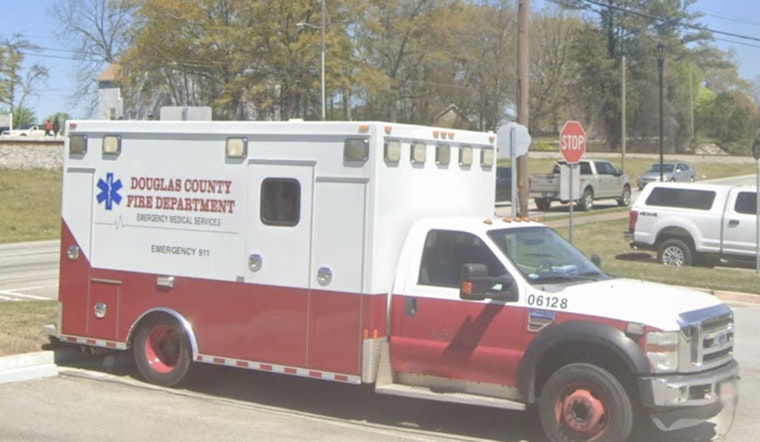
Starting soon in Douglas County, saying “no thanks” to an ambulance ride after getting checked out by Fire‑EMS will come with a new price tag.
On March 23, 2026, the Douglas County Board of Commissioners voted to add a $100 fee for patients who are assessed and treated by the county’s Fire‑EMS but are not transported to a hospital. County leaders describe the charge as a way to recoup the cost of consumables and medicines used on scene while keeping core services intact.
According to WSB‑TV, county documents say the charge applies to “assessed and treated, non-transport patients” and will be levied when someone declines ambulance transport by Douglas County Fire‑EMS. The documents state the fee is not intended as a revenue generator and will not impact the county’s general budget; instead, officials expect it to offset consumable EMS supplies and pharmaceuticals.
In a letter to the commission, Fire Chief Miles Allen wrote that the department saw roughly 5,600 treatment‑but‑refuse‑transport incidents in 2025, which accounted for about one third of yearly calls. Based on a conservative 60 percent collection rate, Allen estimated the county would need roughly $336,000 in annual cost recovery.
Not New: Board Debated This Before
The concept has been in the air for a while. FOX 5 Atlanta reported in November 2024 that county staff had floated a $100 non-transport response fee while also approving an across-the-board increase in transport charges.
At that time, commissioners put off adopting the specific non-transport charge after pushback from residents who questioned whether taxpayers were being asked to pay twice for emergency services that are already funded through local taxes and fees.
Statewide Context
Douglas County’s move arrives as lawmakers at the Georgia Capitol work on bigger ambulance billing rules that could reshape the financial picture for EMS providers.
According to WSB‑TV, legislators are advancing bills aimed at curbing surprise ambulance billing and requiring insurers to cover certain out-of-network ground transports. If those measures pass, they could change how ambulance services are billed and who ultimately bears the cost.
Next Steps And Where To Follow It
For residents trying to keep track of what happens next, the Board of Commissioners posts agendas, minutes, and meeting schedules on its website, as noted on the Douglas County Board of Commissioners page. The Fire‑EMS department lists its contact information and headquarters on its official site, and county finance reports show ambulance charges already make up a material portion of department receipts. That documentation is part of the backdrop for why leaders say they need new cost-recovery tools.
Even some supporters acknowledge the optics are tricky. Commission vice chair Mark Alcarez voiced what plenty of residents may be thinking when he asked, “Are taxpayers going to say, ‘I pay taxes, why charge $100 for this?’” as reported by FOX 5 Atlanta.
County leaders maintain that clinical care will continue regardless of a patient’s ability to pay. They say the new fee is aimed at stabilizing the budget for on-scene consumables and pharmaceuticals, not at turning non-transport calls into a profit center.



