

























































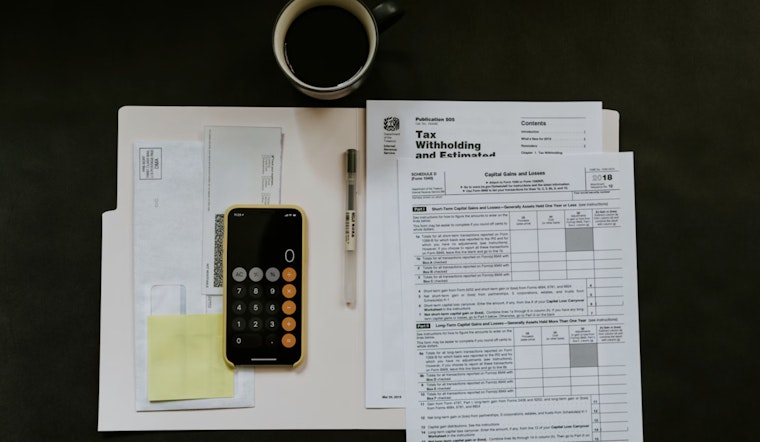
With less than a month to go before Tax Day on April 15, Durham-area taxpayers are staring down a fresh wave of refund scams that aim to steal bank accounts and identities. The pitches are landing as texts, emails and phone calls that either dangle the promise of big money or bark out urgent threats. Some schemes now lean on AI-generated voices and spoofed caller ID to sound official. Local consumer advocates say the simplest defense is to slow down, verify everything and never hand over personal details to an unexpected caller or message.
As reported by ABC11 Raleigh-Durham, Alyssa Parker of the Better Business Bureau of Eastern Carolinas warned that anyone promising "an incredible return" is a major red flag. Parker told the station taxpayers should stay involved in the filing process, confirm who is submitting returns for them and double-check where refunds will be deposited.
The Internal Revenue Service's annual IRS "Dirty Dozen" list highlights impersonation schemes and other filing-season cons that steal data and money. The agency says criminals use polished phishing pages, fake refund notices and other tricks to harvest personal details, and taxpayers should be suspicious of unsolicited messages demanding immediate action.
How scammers are getting smarter
Scammers are increasingly using AI voice-cloning and other deepfake tools to make robocalls and vishing far harder to detect, and caller-ID spoofing can make those calls look like they are coming from Washington or a local revenue office. The Federal Trade Commission has pushed research into detection and defenses, and technology outlets have documented scams that mix cloned audio with stolen preparer credentials. Security reporters say those tactics make scams more believable even to cautious taxpayers.
Why this matters in North Carolina
State tax officials warn that fraudulent preparers and identity thieves who inflate refunds leave taxpayers on the hook. The North Carolina Department of Revenue says it has assessed more than $134 million in additional taxes tied to fraudulently prepared returns over the last three years. That means a fast-talking preparer promising a large refund can turn into an audit, penalties and a bill for money you never received.
Quick steps to protect your refund
File as early as possible, verify your preparer’s credentials and insist the return be signed and include the preparer’s PTIN. Avoid fee arrangements tied to the refund amount and have your refund sent directly to your bank account. The IRS also warns never to pay fees with gift cards or cryptocurrency and to navigate to official websites rather than clicking links in unsolicited messages. If you have had identity problems, consider requesting an IRS Identity Protection PIN to block fraudulent filings.
Where to report suspicious contact
If you receive a suspicious call or message, hang up and report it to the Treasury Inspector General for Tax Administration. TIGTA's site has an IRS Impersonation Scam Reporting form and a hotline at 1-800-366-4484. You can also forward phishing emails to [email protected], report identity-theft recovery steps at IdentityTheft.gov, and file a complaint with the Federal Trade Commission so investigators can track and disrupt scam campaigns.





