

























































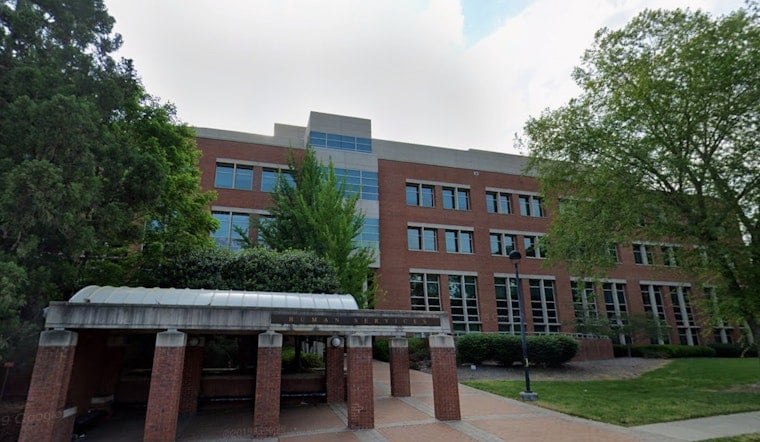
Wake County is using its own office building as an emergency shelter for foster teenagers because it cannot find enough homes or residential placements. The teens sleep, shower and eat in space meant for government work, while county employees continue handling public business around them. Officials say the arrangement is temporary, but the shortage behind it has become anything but.
The latest look at the crisis comes from ABC11’s report, which says Wake County has 539 children in foster care but just 76 foster homes licensed and monitored by the county. Sheila Donaldson, the county’s deputy director of social services, said the number of foster families has been cut roughly in half since before the COVID-19 pandemic.
The children stay at the Swinburne Building in converted office and conference spaces, according to The News & Observer. The setup has included air mattresses, a single shower, meals brought in from outside and laundry transported away from the building, with an average stay of about eight weeks and at least one youth remaining for nine months.
As many as 20 to 25 teenagers can be housed there at a time, ABC11 reported. County workers and community groups have tried to add small pieces of normalcy, providing backpacks, special meals, sheets and laundry help while staff supervise the young people around the clock.
Wake County’s Placement Shortage Keeps Deepening
The number of children spending nights in the building has risen sharply in recent years. WRAL reported in December 2025 that 104 foster children had stayed overnight at the Swinburne Building since the beginning of that year, including one child who remained for 100 days.
Wake County’s problem is part of a broader collapse in foster-care capacity. In May 2024, WUNC reported that Wake had 94 foster homes for 466 children and had placed 18 young people out of state because of the shortage; state officials said North Carolina lost 23% of its licensed foster homes between 2021 and 2022.
More foster families would help, but they would not solve every case. Some teenagers need therapeutic foster care, intensive behavioral-health support or a group-home setting, and The News & Observer found that staffing shortages and limited capacity at those facilities have further narrowed the list of available placements.
North Carolina has added a potential tool on the health-care side. The statewide Children and Families Specialty Plan launched Dec. 1, 2025, and NC Medicaid says it is designed to coordinate physical health, behavioral health and care management for children and young adults involved with the child-welfare system. Better coordination could make some placements easier to sustain, but it does not create the beds or family homes Wake County is missing.
The county has also tried to connect prospective parents with children seeking permanent homes, including through an adoption push reported by Hoodline last year. Adoption is not the same as foster care, but both efforts point to the same local need: young people require adults who can provide stability long after the immediate crisis passes.
North Carolina’s foster-family recruitment page directs prospective caregivers to county departments of social services and private agencies. For Wake County, the urgent ask is especially focused on families willing to care for teenagers and children with more complex needs. Until that capacity grows, a government office will keep serving as a bedroom for children who need a family instead.


