

























































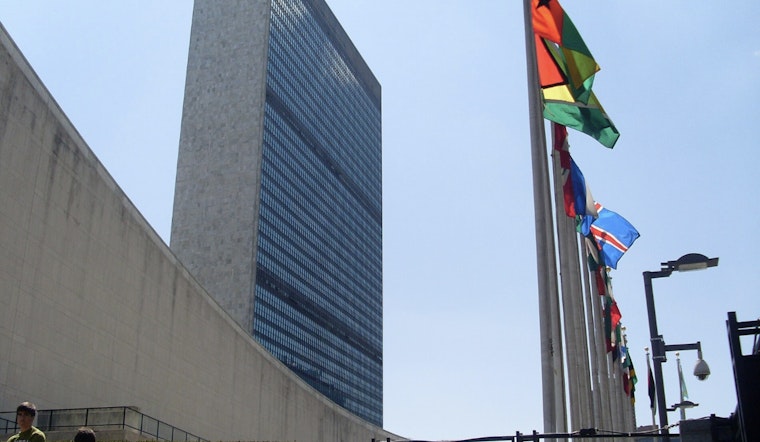
This spring, the race for the world’s top diplomatic job is essentially moving into Midtown. The contest to pick the next United Nations secretary-general is shifting to Manhattan, with webcast interactive dialogues set for the week of April 20 and an early round of public vetting set to precede the Security Council’s secret ballots. Several high-profile nominations are already on the table, and diplomats say the Council’s private straw polls will heavily shape which name gets forwarded to the General Assembly. Reforms adopted in 2025 have dragged much of the process into the open, and there is renewed pressure to finally select the U.N.’s first woman leader.
How the process works and what's new
Under new guidance, nominations must come from U.N. member states, and each candidate is asked to post a vision statement and campaign-financing disclosures on a public U.N. page, according to the United Nations. The President of the General Assembly has scheduled webcast “interactive dialogues” for the week of April 20 so candidates can lay out their platforms and take questions live. The formal appointment still follows the Charter: the Security Council recommends a candidate and the General Assembly appoints the secretary-general, and substantive Council decisions require the affirmative vote of nine members, including the concurrence of the five permanent members, per the U.N. Charter.
Who's declared or been nominated
Argentina formally nominated IAEA director-general Rafael Grossi in November 2025, and former Chilean president Michelle Bachelet was formally nominated by Chile, Brazil and Mexico in early February, as Reuters reported. Other public contenders include Rebeca Grynspan and former African heads of state who are said to be exploring bids, and diplomats expect additional nominations before the April timetable. With regional rotation and big power preferences both in play, national endorsements are already shaping which campaigns start to gain momentum.
How the Security Council typically narrows the field
The 15-member Security Council uses secret straw polls, where members can indicate “encourage,” “discourage” or “no opinion,” to test support before recommending a single candidate. Because substantive decisions need the concurring votes of the five permanent members, a single negative vote from any one of them can sink a candidacy, and informal rounds can stretch for weeks while diplomats work the phones and hallways. The Council eventually adopts a resolution recommending its preferred candidate, and the General Assembly has customarily approved that recommendation in a near automatic vote.
Why the job still matters
The secretary-general combines diplomatic weight with executive responsibility, and candidates will be judged on how they would run an organization that manages tens of thousands of civilian staff and multibillion dollar peacekeeping and regular budgets, according to Reuters. The General Assembly has noted with regret that no woman has yet held the post, and a 2025 resolution urged member states to “strongly consider” nominating women, making gender an explicit factor in this cycle. That mix of managerial demands, political constraints and public scrutiny in the April dialogues at U.N. headquarters in Manhattan will provide an early test of which contender can pull together cross-regional backing, survive the Security Council’s private balloting and ultimately clear the Assembly vote.



