

























































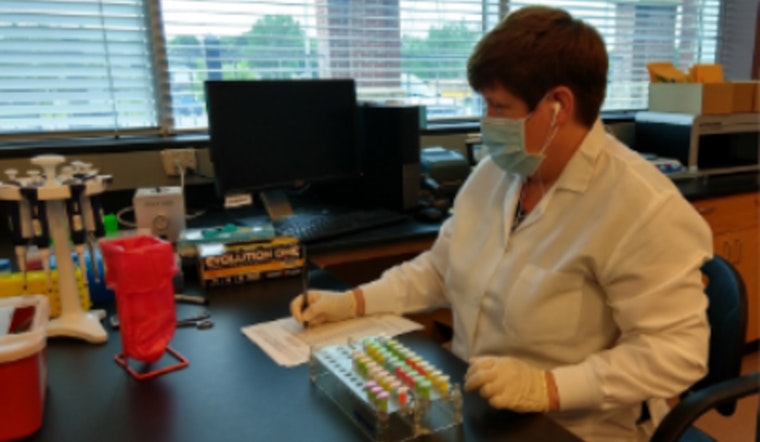
A regional Minnesota crime lab has acknowledged using an expired chemical solution to test blood alcohol samples in July 2023, a slip that defense attorneys say could cast a shadow over multiple DWI cases. The revelation surfaced this week after a Roseville defense lawyer raised the issue in court and secured a delay in a client's trial while attorneys dig through the lab records.
In a letter, the Midwest Regional Forensic Laboratory reported that the expired reagent was used in nine cases but said it "maintains the results remain reliable," according to FOX 9. Defense counsel say the notice appeared in discovery and immediately triggered requests for raw data, calibration logs and other technical documentation. The lab did not respond to a request for comment, the outlet reported.
"There's no 'trust me' in science, and what the lab is asking us to do is just trust them," Roseville attorney Chuck Ramsay told FOX 9. Ramsay argues that the possible error could mean some people were wrongly charged or lost their driving privileges. His client's DWI trial is now on hold while attorneys scrutinize the disclosure.
Where The Tests Were Run
The Midwest Regional Forensic Laboratory operates under the Anoka County Sheriff's Office and handles blood alcohol and other forensic testing for Anoka, Wright and Sherburne counties, according to Anoka County. County materials note that the lab obtained ISO/IEC 17025 accreditation in 2014, the quality standard commonly required for forensic testing.
How This Fits Into A Larger Pattern
The latest disclosure lands at a time when DWI testing across Minnesota is already under a microscope. Attorneys including Ramsay previously helped uncover flaws in breath testing instruments that led to a broad statewide review, as detailed by Minnesota Lawyer. Hoodline earlier chronicled the resulting statewide inspection of DWI devices and the policy changes that followed.
The Minnesota Department of Public Safety's Bureau of Criminal Apprehension later reported that it had mathematically verified many of the questioned breath test results and imposed new safeguards, including a rule that only BCA staff may change dry gas cylinders, in order to limit human error. Those steps were outlined in a news release from the Department of Public Safety and were intended to preserve case integrity while agencies completed their review of flagged instruments.
Legal Implications
Defense attorneys can ask courts to suppress or exclude blood alcohol results if laboratory procedures or documentation are incomplete, and prosecutors may have to reexamine cases in which records are missing or tests are questioned. Judges will ultimately decide whether any analytical irregularity affected a test result, which could lead to evidentiary hearings, expert testimony, amended charges, plea negotiations or dismissals.
Both sides are already seeking additional lab files, calibration records and analyst notes to sort out the technical issues. The Midwest Regional Forensic Laboratory's disclosure, which follows earlier concerns about forensic practices raised years ago, is likely to trigger renewed reviews of affected cases in the three counties and fresh scrutiny of regional lab work. This story will be updated as prosecutors, defense attorneys and the lab release more records or formal responses.



