

























































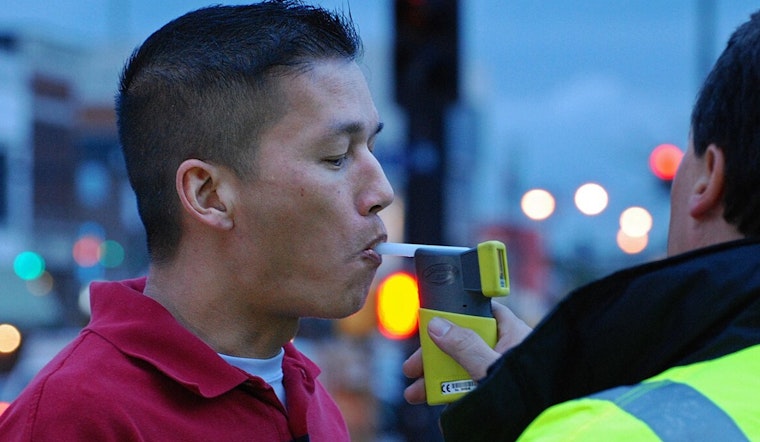
Minnesota's Bureau of Criminal Apprehension (BCA) has called for an urgent inspection of all DWI breath testing devices across the state. This move comes as multiple errors in data entry were identified during the setup of these instruments. According to a press release from the Minnesota Department of Public Safety, law enforcement agencies must immediately verify the accuracy of the dry gas cylinder data in the DataMaster DMT instruments.
The BCA has taken the precautionary step of halting the use of all DMT devices until each agency can confirm its gas cylinder data is entered correctly. Acknowledging human error in the existing replacement process, future maintenance and cylinder exchanges will now be handled directly by BCA personnel. BCA Superintendent Drew Evans emphasized the importance of this measure, stating, "The BCA is committed to the highest level of quality in our forensics lab, and this is why we are conducting this review." The BCA discovered additional errors in instruments located in Olmsted and Hennepin counties, potentially impacting 108 and 38 cases, respectively, adding to earlier findings from Aitkin, Winona, and Chippewa counties.
Minnesota law enforcement officers trained in administering breath tests use the DMT instrument as a crucial part of their impaired driving enforcement toolkit. The tool requires a controlled substance, a dry gas cylinder with a known alcohol concentration, to validate the accuracy of each reading. Authorities worry that the integrity of breath tests could be compromised if cylinder data is entered incorrectly, a concern highlighted by the recent errors involving at least five counties where cylinder information mismatches were reported.
The ramifications of these errors are significant, calling into question the validity of potentially hundreds of DWI cases. In response, the BCA is reinforcing its partnership with local law enforcement to ensure the reliability of Minnesota's breath testing data. According to the Minnesota Department of Public Safety, they are dedicated to providing necessary training and updated procedures, an effort underscored by Evan’s commitment: "We appreciate our law enforcement partners' prompt attention to this inspection process."




