

























































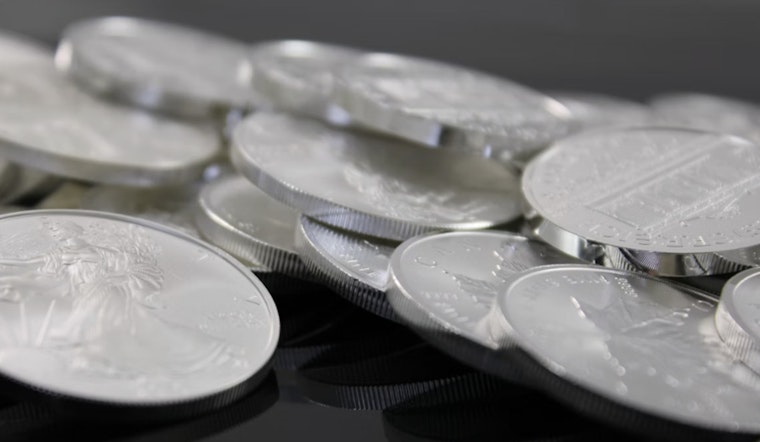
Across the Milwaukee area, people who thought they were scoring deals on silver and gold are instead finding out they bought duds, walking away a few hundred dollars lighter and a lot more suspicious. One local locksmith says a batch of coins he picked up as an investment turned out mostly bogus when he took them in for testing. Jewelers say he is far from alone, reporting a steady trickle of walk-ins with the same story: quick cash deals, no paperwork, and metal that does not pass basic tests.
According to TMJ4, locksmith Thomas Beringer bought 12 silver coins and later learned eight were fake and only four were real, leaving him feeling “violated” and out several hundred dollars. Bret Eulberg, president of Robert Haack Diamonds in Brookfield, told the station that one ring stamped “18 carat” literally fizzed green when hit with nitric acid, a quick test jewelers use to expose base-metal plating. Those cases, jewelers say, fit a pattern they have been seeing all over the area.
How the scam plays out
The setup is usually fast and friendly: a seller offers coins or jewelry at a discount, pushes for cash, and suggests skipping a receipt to “keep it simple.” The person may be well dressed, sound knowledgeable, and seem in a hurry. Once the deal is done, the seller vanishes and the buyer later learns their “bargain” is plated metal at best. WISN has relayed similar warnings from local jewelers, who say that if a deal feels rushed or too good to be true, it probably is.
Why now: prices and demand
This is all happening against a backdrop of climbing precious-metal prices. Silver and gold have been hovering near multi-year highs, making the real stuff more attractive for both legitimate investors and scammers trying to cash in. Reuters reported that in December, silver and gold were trading close to record levels as investors reacted to central-bank moves and tightening supplies. That kind of market action makes “under-market” offers look just plausible enough to lure in everyday buyers.
Online reach and industry alarms
The problem is not confined to parking-lot meetups or casual in-person pitches. Numismatic investigators say counterfeit bullion is being pushed on hundreds of websites and social media accounts. The Professional Numismatists Guild and the Anti-Counterfeiting Educational Foundation have identified more than 300 suspect sites and alerted online marketplaces and law enforcement. Greysheet reported that ACEF even bought fake “American Silver Eagle” coins itself to show how widespread and convincing the counterfeits can be.
How to check your coins
There are a few simple checks that can catch many obvious fakes before they end up in a drawer. Weigh the piece on a precise scale, measure its diameter and thickness, test it with a neodymium magnet (real silver and gold are non-magnetic), and listen for a clean, bell-like “ring” from silver. When real money is on the line or the results are unclear, experts say you should get professional authentication. The Numismatic Guaranty Company publishes detailed counterfeit-detection guides and uses tools like X-ray fluorescence to analyze metal composition. NGC also advises buying from accredited dealers and keeping written documentation for every purchase.
Legal options and reporting
Making or passing counterfeit coins can land a seller in serious federal trouble. Federal law, including 18 U.S.C. § 485 and § 486 as outlined by the Legal Information Institute and the Legal Information Institute, covers counterfeiting and uttering coins. In practice, investigators say these cases can be tricky to prosecute because sellers often change company names, rotate listings, and hop from platform to platform. If you think you were sold a fake, experts recommend saving receipts and photos, reporting the sale to local police, and considering a report to the Numismatic Crime Information Center or the Secret Service, channels industry groups have used in prior investigations.
If you suspect a counterfeit, the advice from professionals is simple: do not go charging back to confront the seller. Instead, document what you paid, how you paid it, and when the sale happened, keep the item, and get it tested by a trusted jeweler or a certified grading service. Brookfield’s Robert Haack Diamonds has been examining suspect pieces and talking buyers through their options. For broader help, NGC and the American Numismatic Association offer resources on accredited dealers and professional authentication services.





