

























































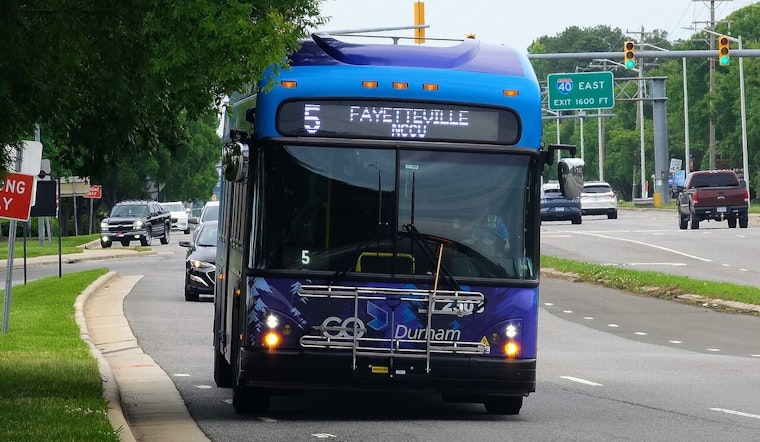
A recent WRAL Investigates report pulled back the curtain on a string of safety incidents on and around public buses in Raleigh and Durham, raising pointed questions about how well riders and staff are being protected. The station says it filed open-records requests with both city governments to tally crimes on buses and at downtown transfer hubs and to see how officials have responded. Some riders who rely on those central stops told reporters they now skip late-night trips or reroute their commutes altogether because of safety concerns.
WRAL's records review
According to WRAL, investigators requested incident logs and police reports from Raleigh and Durham, then paired that paperwork dive with interviews of riders and transit workers. The report zeroed in on trouble both inside buses and at downtown stations, where customers say problems can stack up fast when staffing, lighting or patrols are thin.
Transit rules and enforcement
Across the Triangle, transit operators point to formal conduct rules as their main line of defense. GoTriangle has a conduct policy that ranks offenses from minor disruptions to violent behavior and lays out how riders can be excluded and how they can appeal bans. GoRaleigh posts its own code of conduct and directs customers to feedback channels so they can report threats, assaults or other safety issues.
Riders and advocates want clearer numbers
Advocates and everyday riders told reporters they want agencies to publish straightforward incident counts so the public can judge whether current safety efforts are actually working. WRAL says its open-records requests are designed to build that baseline picture for Raleigh and Durham, something local advocates have been pushing for.
What officials say and next steps
Transit agency websites highlight reporting tools, security staffing and coordination with local law enforcement as their core safety strategy. GoRaleigh points riders toward customer-feedback forms and service-alert channels. GoTriangle explicitly warns that “inappropriate conduct may also constitute a violation of an ordinance or criminal law” and explains how riders can be removed or excluded. GoDurham lists recent platform and station updates and offers media contacts for further questions.
The records WRAL requested could help reveal patterns, such as spikes on particular routes or at certain times of day, and help officials decide whether changes to lighting, staffing or patrols are needed. Riders say they want those numbers out in the open, arguing that transparent incident counts and clearer reporting channels would make it easier to hold agencies accountable and to plan safer trips.



