

























































More than $32 million in fresh federal cash is headed to three Triangle transit systems, and local officials say it is arriving just in time. The money will help buy new buses, upgrade training gear and overhaul a key maintenance hub as the Research Triangle keeps packing in more commuters, students and hospital staff. Leaders argue the checks will shore up aging infrastructure while giving them room to grow service and tighten up reliability and safety.
Who Gets What In The Triangle
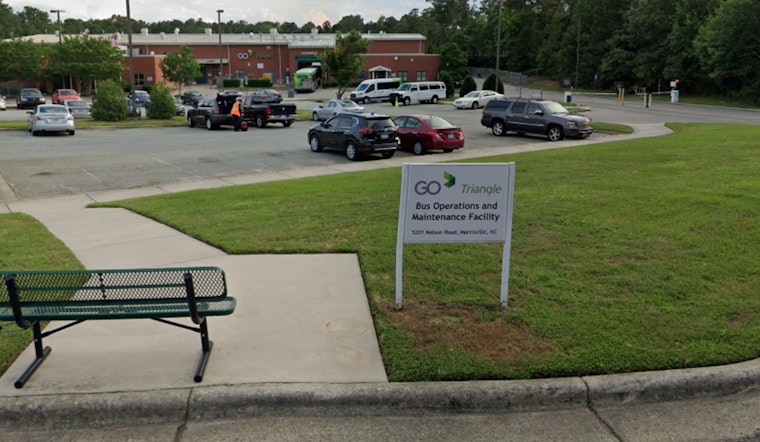
As reported by CBS17, GoTriangle landed $17,718,750 to modernize and expand its Bus Operations and Maintenance Facility in Morrisville. Chapel Hill Transit secured $8.8 million to buy up to 13 replacement buses and add driving simulation technology, while the City of Durham scored $6.1 million to purchase new buses. Together, the awards top $32 million and will be paired with local dollars to get the work done. Officials said the funding comes through the Federal Transit Administration's competitive Grants for Buses and Bus Facilities program and is aimed squarely at replacing vehicles and upgrading depots.
Inside GoTriangle's Big Depot Makeover
GoTriangle said its $17.7 million slice will help cover a 25,000-square-foot, multi-story addition at the Morrisville Bus Operations and Maintenance Facility, expanded parking for revenue vehicles, a new service lane and bus wash, and a reshuffled maintenance layout designed to boost capacity and improve workflow. The agency estimates the full job will run about $67 million, and that modernized systems and upgraded staff amenities should extend the facility's useful life by roughly three decades, according to GoTriangle. "The BOMF has served us very well for many years, and it's time we make upgrades," GoTriangle President and CEO Brian Smith said. Mayor Leonardo Williams added that the grants "enable GoDurham to provide safe, reliable and affordable transit to more than 20,000 riders each day," according to the release.
Big Federal Push Behind The Checks
The Triangle money is one piece of a much larger national package. This cycle, the FTA said it is putting nearly $390 million into 34 bus projects across 19 states and Puerto Rico. In the department's announcement, FTA Administrator Marc Molinaro said the funding is "about making the investment today to ensure we are providing safer, more reliable and more efficient service," underscoring a broad federal effort to swap out aging buses and rehab facilities, per the Federal Transit Administration.
What Riders Will Actually Notice
Local leaders say the cash should eventually show up in the form of fewer breakdowns and smoother daily trips. New buses for Chapel Hill and Durham are expected to phase in as replacements for older vehicles, and the training boost is meant to pay off behind the wheel. Chapel Hill Transit Director Brian Litchfield praised the infusion for both fleet and training efforts, saying, "We're incredibly grateful for the support towards our bus fleet and training program," according to CBS17. Agencies said a new driving simulator will let trainees practice in a controlled setting, which they expect will cut down on on-road training risks and speed up certification.
What Happens Next
GoTriangle described the new federal money as one key piece of a multi-year financing puzzle and said it plans to move into detailed design and procurement this year, with construction to follow once local matching funds are locked in, per GoTriangle. Officials noted that purchases of replacement buses and simulator equipment have to follow federal procurement rules, so none of this happens overnight. Agencies anticipate the upgrades will support higher-frequency service and new routes as demand grows. Riders should not bank on immediate schedule shifts, but leaders said the long game is steadier operations and fewer outages tied to weather or mechanical failures.





