

























































Louisiana’s Ten Commandments law is back on the board. A federal appeals court has cleared the way for the controversial statute to be enforced in public classrooms while a major church-and-state showdown works its way through the courts.
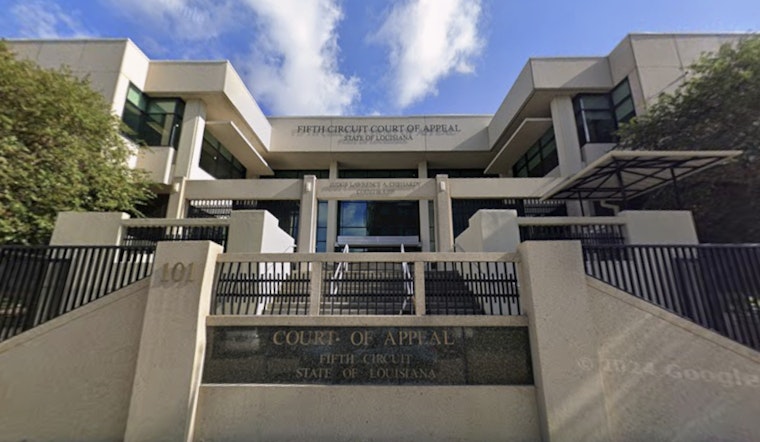
In a Feb. 20, 2026 per curiam order, the full Fifth U.S. Circuit Court of Appeals, sitting en banc, vacated a lower court’s injunction that had kept the law on hold and sent the case back to the trial court. The judges denied an emergency request from the ACLU to keep the law blocked and said it was too early to settle the core constitutional questions before the details of implementation are known, according to Justia. With the preliminary injunction from November 2024 now lifted, school systems across the state could soon be required to put up poster-sized copies of the Ten Commandments while the lawsuit continues.
The ruling escalates a months-long clash between Republican state officials who pushed the measure and civil-liberties groups that raced to block it. The law at issue, House Bill 71, was signed in June 2024 and requires that a Protestant version of the Ten Commandments be displayed in every K-12 classroom and every classroom at state-funded colleges, in a specific size and font. It also directs the Louisiana Board of Elementary and Secondary Education, known as BESE, to write rules for how the law is carried out, according to The New York Times. Originally set to take effect in January 2025, the mandate was paused when a federal judge stepped in with the now-vacated injunction.
Louisiana Attorney General Liz Murrill wasted little time in telling districts what comes next. She said state education officials and local school systems "are required to comply" with the law and that BESE is responsible for overseeing how it is implemented, according to WWL-TV. Her office had already circulated template posters and a draft school board resolution as a kind of legal starter kit, along with advice on where to put the displays so they would not appear to be teacher-initiated. Civil-liberties advocates counter that this guidance risks pressuring districts to act quickly and could open them up to even more legal exposure.
What schools may face now
Murrill’s earlier directive to districts did not just bless the concept of Ten Commandments displays, it got specific. The packet included four sample posters and a model board resolution that local officials could adopt, plus a suggestion that the displays be placed away from a teacher’s main instruction area, according to L'Observateur. Plaintiffs and their attorneys have been just as direct in the opposite direction, warning school leaders that they still have an independent duty to safeguard students’ constitutional rights and that moving too fast on compliance could invite new lawsuits.
Across Louisiana, superintendents and school boards have said they are huddling with lawyers and waiting on more explicit direction from BESE and the courts before ordering printers to work overtime. Some districts are weighing whether to hold off until the legal dust settles, while others are bracing for community fights over if and how the posters should go up.
Legal road ahead
The Fifth Circuit’s en banc decision did not answer the underlying question of whether the law violates the First Amendment. Instead, the judges focused on ripeness, ruling that it was premature to hand down a definitive constitutional judgment before BESE finalizes rules and districts decide how to comply, according to the opinion posted on Justia. The court’s move clears the way for the statute to operate while the district court gathers more facts and arguments.
The American Civil Liberties Union, which represents parents and students challenging the law, said it will "explore all legal pathways" to keep fighting the mandate and urged school districts to prioritize students’ rights even as the state presses ahead, according to the ACLU. Lawyers on both sides say the next phase will likely involve more briefing and hearings in the trial court, with the strong possibility of another trip to the Fifth Circuit and maybe even the U.S. Supreme Court.
For now, local school boards are stuck in the middle. They must decide whether to put the posters up while the lawsuit churns on, knowing that BESE still has the power to shape the practical rules that will determine how - or even whether in some classrooms - the law is actually carried out. Parents and civil-liberties advocates have signaled that they will be watching closely, and legal observers expect the case to move at a measured pace. As The Associated Press has reported, the larger national fight over religious content in public schools is not exactly fading quietly into the background.





