

























































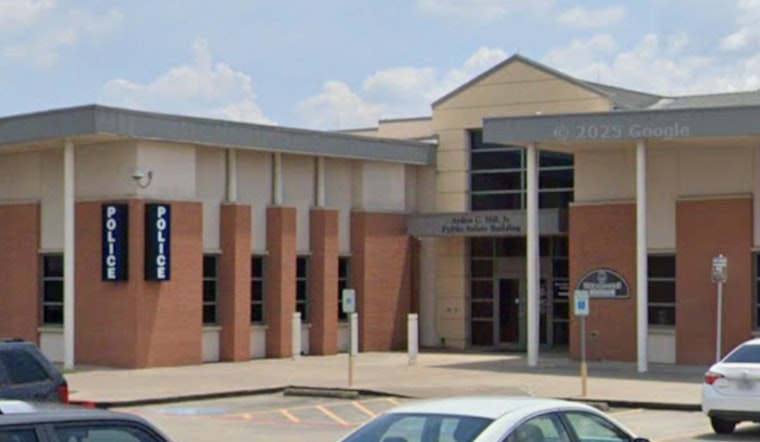
Friendswood police have quietly cranked their drone program into high gear, expanding a drone-as-first-responder system so it can reach more than 90 percent of the city. The remotely piloted, docked aircraft were launched nearly 200 times in January during testing and are now routinely sent to some 911 calls before officers ever pull up to the scene.
The program, launched in 2025, initially hit a wall because Federal Aviation Administration rules generally let each docked drone fly only about 2 miles from its home base, which kept most flights clustered around the public safety building at 1600 Whitaker Drive. City officials say three new docks installed in late February push aerial coverage to more than 90% of Friendswood, with each drone-and-dock setup costing about $22,000 and the Dronesense software subscription running roughly $8,000 a year, according to Community Impact.
"They're eyes in the sky," Sgt. Scott Muir told Community Impact, pointing to cases where pilots helped locate a lost, vulnerable woman and assessed a crash scene before officers got there. Muir said he expects deployments to climb "exponentially" as more docks come online and the system runs citywide.
How the system works
The drones sit in fixed docking stations around Friendswood and can be launched either automatically by dispatchers or manually by a remote pilot in a control room, sending live video to officers while they drive to a call. That remote-operations setup is a hallmark of modern "drone as first responder" programs: DroneSense describes a platform that lets agencies manage fleets, coordinate remote pilots and share live feeds with public-safety teams.
Where this fits in Texas and beyond
Nearby Pearland secured Federal Aviation Administration approval in 2023 to fly first-responder drones beyond visual line of sight, a move industry watchers call a key step toward scaling these systems, as reported by Unmanned Systems Technology. Friendswood itself has used drones in narrower roles since about 2019, according to records collected in the Electronic Frontier Foundation's Atlas of Surveillance. It is part of a broader national trend: hundreds of public-safety agencies now fly drones, and early programs such as Fairfax County's report that drones arrive first on a large share of missions, local coverage in FFXnow notes.
Legal limits and privacy
Texas law places guardrails on when drones can record private property or individuals. Government Code Chapter 423 makes unlawful surveillance a criminal offense and spells out exceptions that include emergencies, missing-person searches and operations conducted under a warrant. The statute also creates civil remedies and restricts how agencies retain and use footage, limits that local departments say they build into policies and training; see Texas Government Code Chapter 423 for the full text.
Friendswood officials say they will closely track the expansion while pilots train up and dispatch procedures are refined, stressing that the program is aimed first at protecting officers and the public. As docked drones spread across the region, the tension between shaving seconds off response times and safeguarding privacy is likely to stay front and center in local debates.





