

























































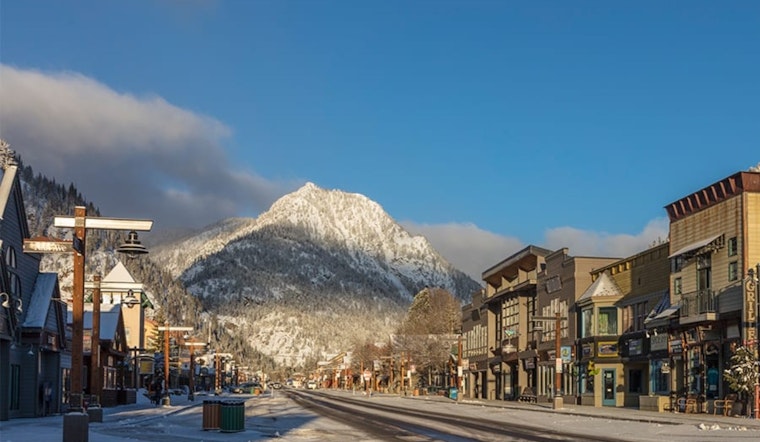
Frisco’s much-loved “Backyard,” the roughly 3,000-acre stretch of national forest that wraps the town, is about to get a serious makeover. Federal managers have signed off on a broad wildfire reduction and trail upgrade plan that local officials say will combine tree thinning and targeted pile burns with trail reroutes and redesigned parking lots to cut fire risk and better handle the crush of year-round visitors.
What's changing in the Backyard
According to U.S. Forest Service materials, the project calls for treating about 1,576 acres across dozens of units, grooming roughly 10 miles of winter routes, and redesigning high-use trailheads such as Peaks/Zach’s Stop and Miners Creek so parking and neighborhood impacts are less of a free-for-all. “The ‘Frisco Backyard’ is vital to Frisco’s future,” Frisco Nordic and Trails Manager Pete Swenson said, noting the area sees more than a quarter million visits every year. Those goals and the full package of fuels work and trail changes are laid out in the Forest Service project release and its supporting documents.
As reported by The Denver Gazette, Acting Dillon District Ranger Sam Massman issued the final decision that sets up a multi-mile reshaping of the trail network, with regional coverage tallying roughly 41 miles when counting new, rerouted, and closed sections. That reporting notes Massman tweaked some treatment prescriptions in the busiest pockets to leave more standing forest in place, while still prioritizing heavier thinning closer to town.
Town role and trail projects
Frisco officials are not just watching from the sidelines. Local reporting says the town plans several town-led segments, including about 4.7 miles of summer trail upgrades and connectors. Those include a 1.3-mile summer hiking link and a 1.4-mile nordic connector to the Peninsula Recreation Area, and the town has already approved local funding to support the NEPA review. Those commitments, along with recent town spending on the broader resource management study, are detailed by The Denver Post.
Council packets and town briefing materials show the Backyard currently holds more than 21 miles of user-created “social” trails alongside roughly 14 to 15 miles of official Forest Service system trails, a snarl that planners say is not sustainable at current visitation levels. Town staff is proposing to pull about 14 miles of select social routes into the sanctioned network so those paths can be rebuilt and maintained instead of multiplying in every direction, according to Town of Frisco council materials.
The Forest Service project timeline lists a March 2026 decision window, with implementation possible as soon as June 2026 and work spread over several years. The agency’s project page includes the full milestone schedule. Local coverage of the decision also notes that most on-the-ground fuels work will be done by hand crews using chainsaws, with much of the cut material stacked for winter pile burns and only limited use of heavy machinery, which officials say helps limit long-term damage to the landscape. For maps and detailed treatment descriptions, the Forest Service project page and local reporting provide the full breakdown.
Why it matters to water and access
Project partners say this is as much a water story as a recreation one. Denver Water and its From Forests to Faucets partners have already invested in nearby forest health projects aimed at lowering the chance that a high-severity fire could dump ash and debris into Dillon Reservoir and downstream water supplies. The Backyard plan lines up with local ideas to expand managed, year-round access, including early Summit Huts discussions about a small Peninsula cabin, which officials say would help steer visitors onto durable, maintainable trails, according to local reporting and utility materials.
Residents who want maps, the full decision, or implementation timelines can dig into the Town of Frisco council packet and the Forest Service project documents. Planners are warning people to expect phased trail closures, reroutes, and parking changes as crews move into treatment units this summer. For more specifics, the Town’s meeting materials and the Forest Service project page linked above lay out what is coming where.





